Discover LA's best food halls and the exact dishes to try. From historic Grand Central Market to trendsetting ROW DTLA, plan your ultimate culinary crawl.
It's 7:30 on a Sunday evening, and I'm standing in a sun-drenched brick courtyard in the Arts District, holding a Korean fried chicken bao bun in one hand and a horchata-cold brew in the other. Around me, a twenty-something couple is splitting a wood-fired pizzetta, a family of four is negotiating over a half-dozen dumpling baskets, and a group of friends is double-fisting tacos while arguing about the best spot in town for birria. This is the new Los Angeles dining scene — not one restaurant, but a dozen kitchens under one roof, each one a tiny passport stamp for your taste buds. Between 2019 and 2024, the number of food halls operating across Los Angeles has more than doubled, with over 20 now serving hungry Angelenos. And honestly? It's the best thing that's happened to this city's food culture since the taco truck. Here are the seven culinary hubs you need to know about, and the exact dishes you shouldn't leave without trying.
Why Food Halls Are the New Heart of LA Dining
LA has always been a car-dependent city, and for decades, eating out meant committing to a single cuisine — you parked once, ordered one menu, and called it a night. Food halls have shattered that model. They offer a low-risk way to sample diverse cuisines without the commitment of a full sit-down meal. Want a Japanese katsu sando and then a churro for dessert without moving your car? That's the food hall promise, and it's why these spaces have become the city's new social hubs.
The explosion makes perfect cultural sense. Los Angeles is one of the most ethnically diverse cities in America, and food halls reflect that mosaic in a single room — Mexican street food vendors slinging esquites stand next to Korean BBQ rice bowls, which sit across the aisle from West African jollof rice and Filipino lechon. It's not just about convenience; it's about democratizing the dining experience. Most food hall meals land between $8 and $15, making them a budget-friendly alternative to the $30 entrée at a sit-down restaurant, especially in a city where rent eats a chunk of every paycheck. For tourists, they offer a one-stop crash course in LA's culinary identity without the sticker shock. For locals, they're the perfect compromise for group dinners — everyone picks their own lane, and nobody has to suffer through a bad meal just to appease the group.
- Sample without commitment: Most vendors offer smaller portion sizes, so you can try four or five places in one visit without rolling out the door.
- No reservations needed: Food halls operate on a first-come, first-served basis, making them perfect for spontaneous outings.
- Diverse dietary options: From vegan Mexican street corn to gluten-free ramen, these spaces cater to every dietary restriction under one roof.
- Built-in community: Communal seating means you might end up chatting with a film producer and a food blogger at the same table — that's very LA.
Grand Central Market: A Century-Old Downtown Icon
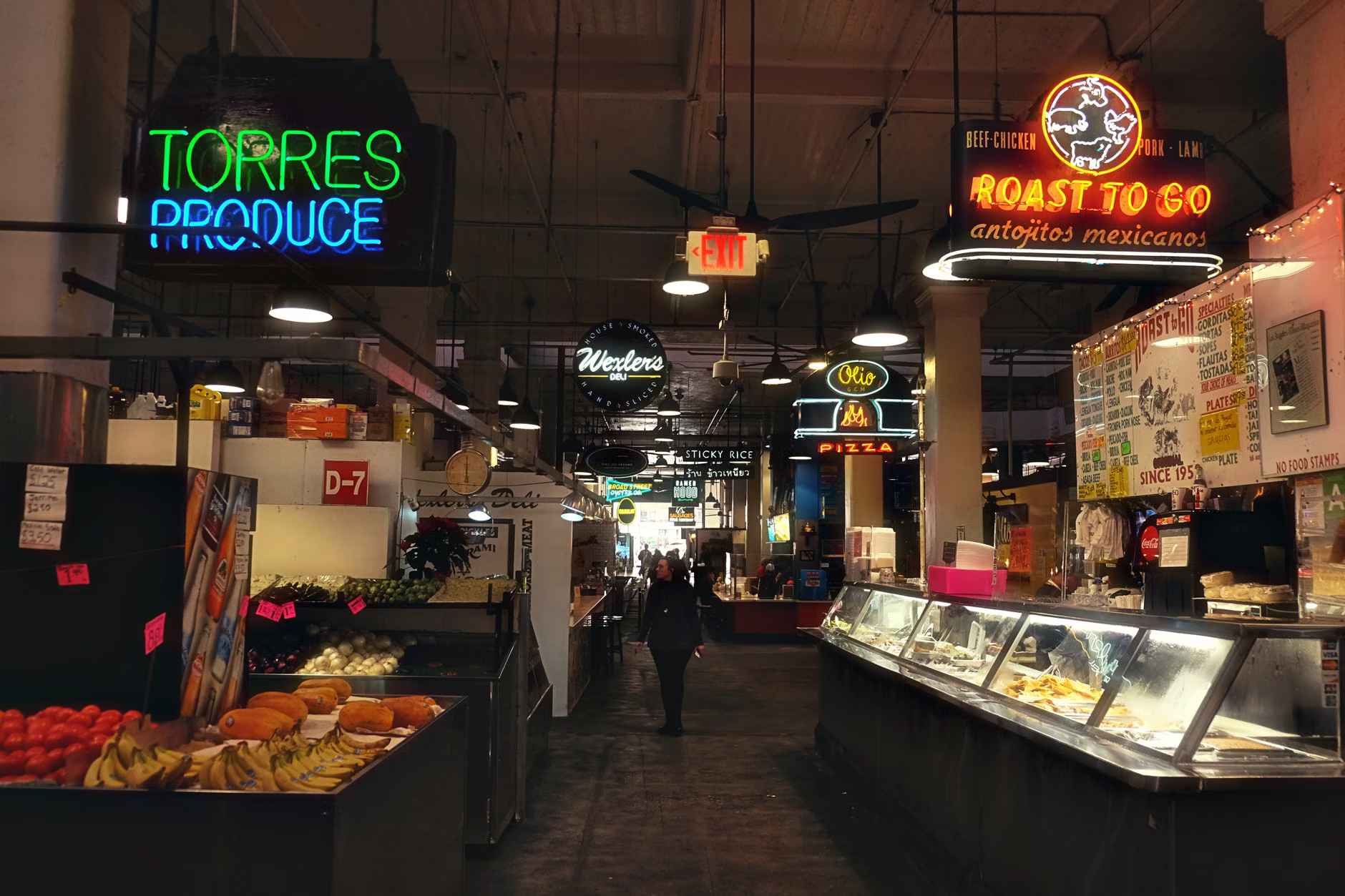
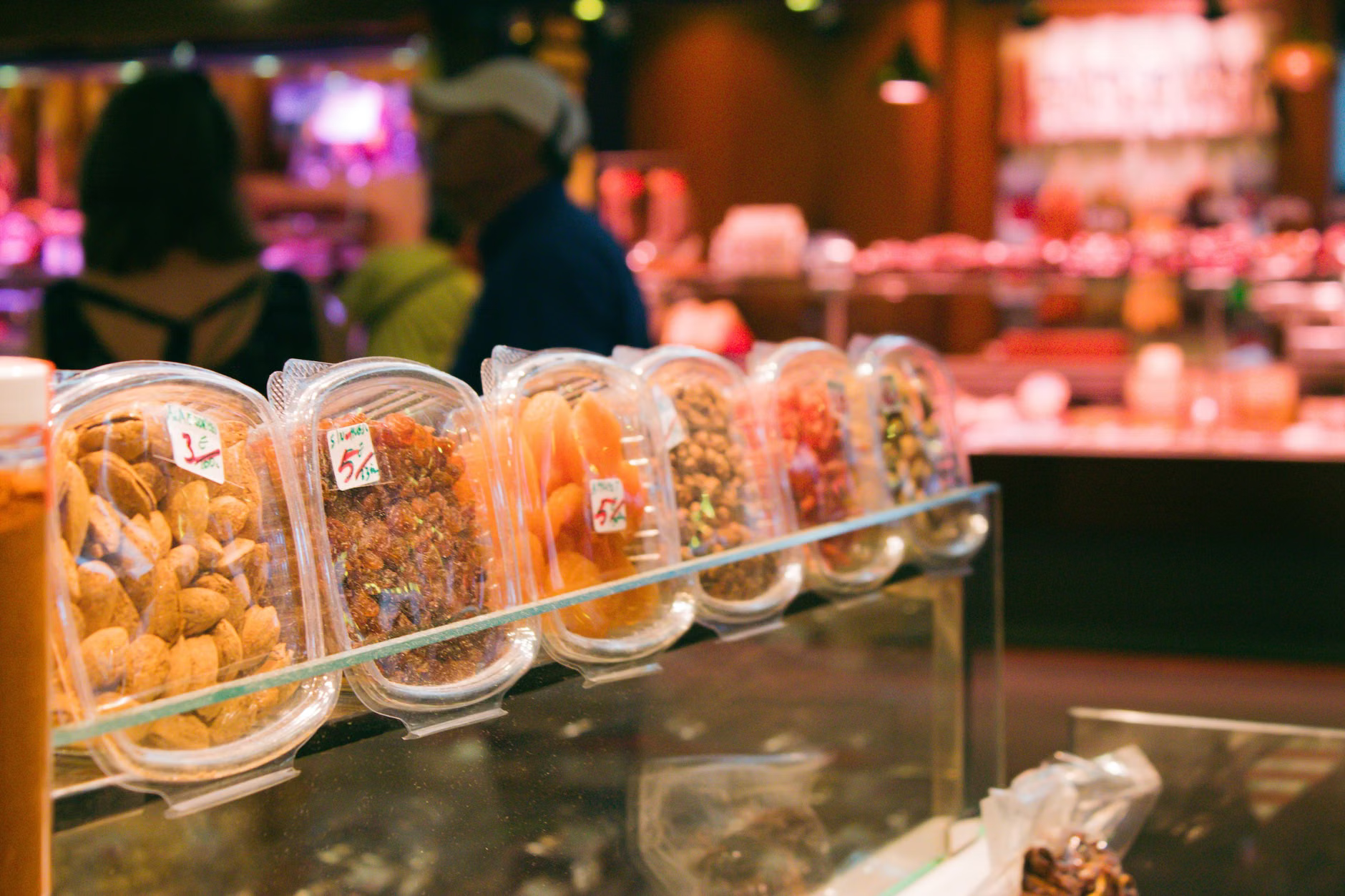
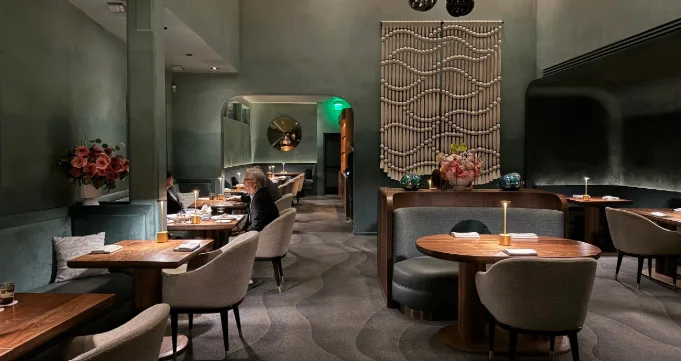
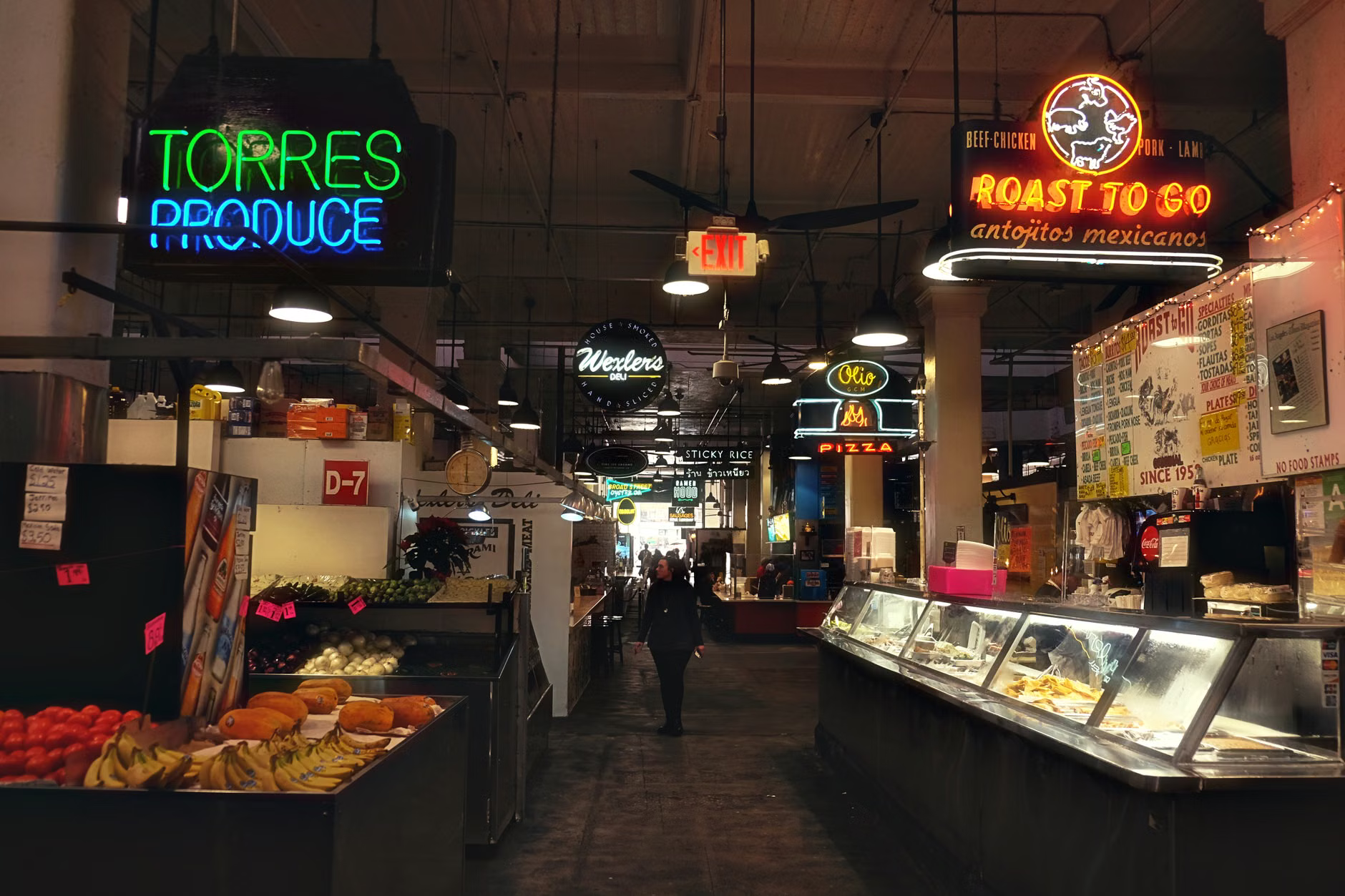
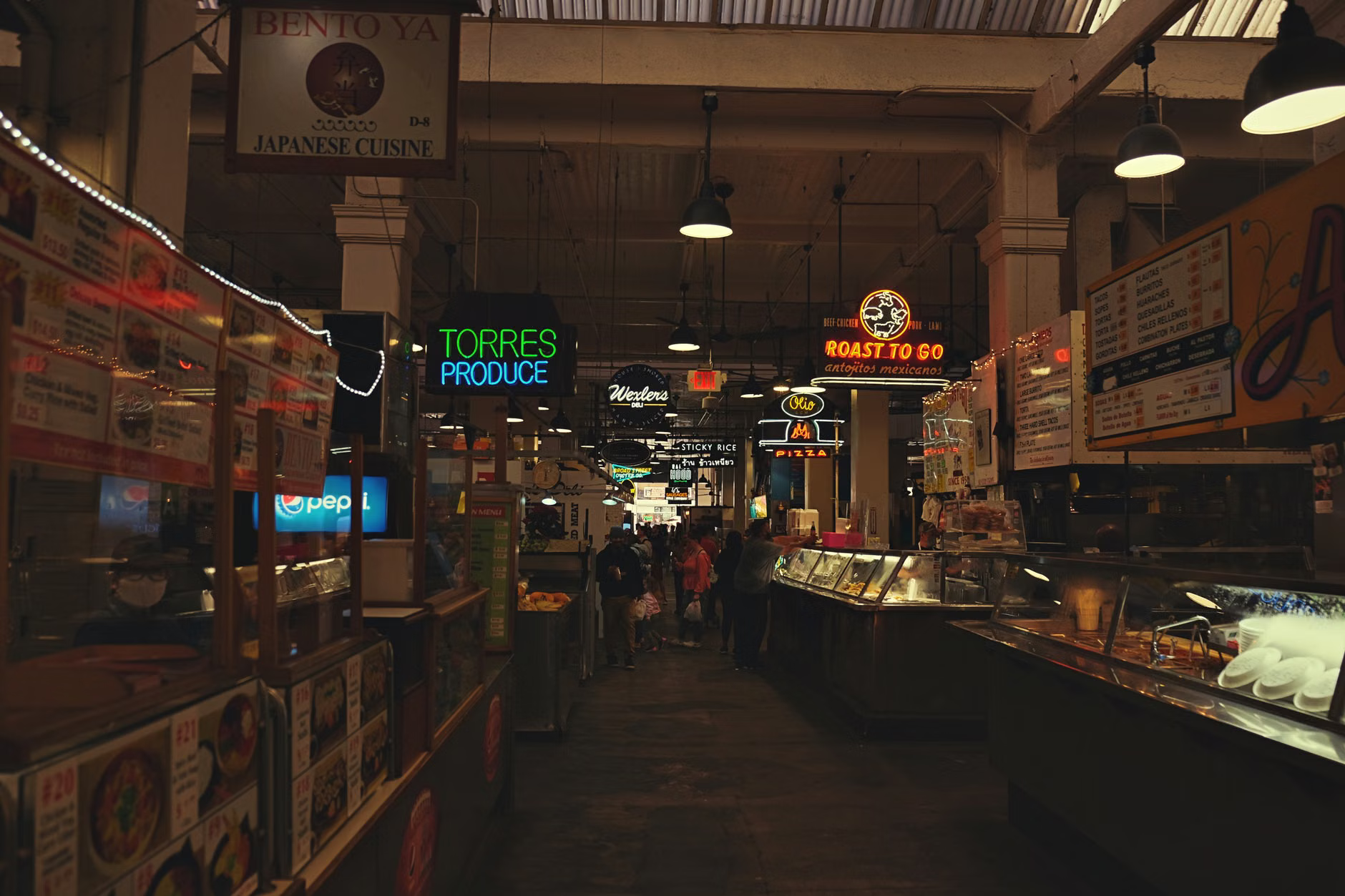
Walking into Grand Central Market feels like stepping into a time machine that's been rewired for the 21st century. Opened in 1917, this behemoth at 317 S. Broadway has been serving downtown workers and residents for over a century, and its vaulted ceilings echo with the sound of sizzling griddles and Spanish chatter. Today, it houses over 40 vendors, ranging from produce stalls that have been there for generations to modern icons that launched the food hall craze.
You can't talk about GCM without mentioning Eggslut, the now-famous stall that started as a tiny counter here and grew into an international phenomenon. The Fairfax sandwich — a soft-cooked egg on a potato brioche bun with chives and cheddar — is the move, but brace for a line that snakes past the produce stands. If you want to eat like a local, walk two stalls over to Sticky Rice, where the Thai-style larb and papaya salad pack a heat that will clear your sinuses by lunchtime. And whatever you do, don't skip DTLA Cheese, an artisanal cheesemonger stocking over 80 varieties of cheese from around the globe — grab a wedge of the aged Manchego and some rosemary crackers for a picnic in nearby Pershing Square.
- Go early: Weekday mornings before 11 AM are blissfully quiet, and you'll actually secure a spot at the communal tables instead of hovering over someone's shoulder.
- Try the $10 combo: Many vendors offer lunch specials during the week — you can eat like a king for under $12.
- Time your visit: Weekend afternoons are a zoo; if you must go Saturday, arrive before 9 AM to beat the brunch crowd.
Smorgasburg LA: The Weekly Street Food Festival
Some food halls are permanent structures; others are events that pulse through the city on a schedule. Smorgasburg LA is the latter, and it's arguably the best weekly food festival in the country. Every Sunday from 10 AM to 4 PM, the ROW DTLA campus in the Arts District transforms into a sprawling open-air marketplace with 80+ rotating vendors. What makes it special? The vendor list changes week to week, which means you can visit a dozen times and never eat the same meal twice. Many of these vendors started as pop-ups in their apartments, tested their concepts here, and eventually grew into brick-and-mortar restaurants — Smorgasburg is LA's culinary farm league.
The non-negotiable stop is J-pop, the stall that invented the ramen burger — a crunchy, pan-fried brick of instant ramen noodles serving as the bun, cradling a juicy beef patty with scallion aioli. It sounds gimmicky until you take your first bite; then it becomes religion. Over at Berto's, the Filipino-inspired longanisa sausage sandwiches — sweet, garlicky, and served on a soft pandesal roll with pickled papaya — are worth every minute in line. For something sweet, track down the matcha soft-serve stall or the fried chicken sandwich vendor who's been known to sell out by 1 PM.
One pro tip: bring cash. While most vendors now accept cards, a stubborn handful still operate cash-only, and the on-site ATMs charge a punishing $3 fee. Also, come hungry — the sheer number of choices will overwhelm you, and you'll want to try at least four different stalls. And since admission is free, you can wander, sniff around, and make your decision slowly.
ROW DTLA: The Curated Food Hall for Trendsetters
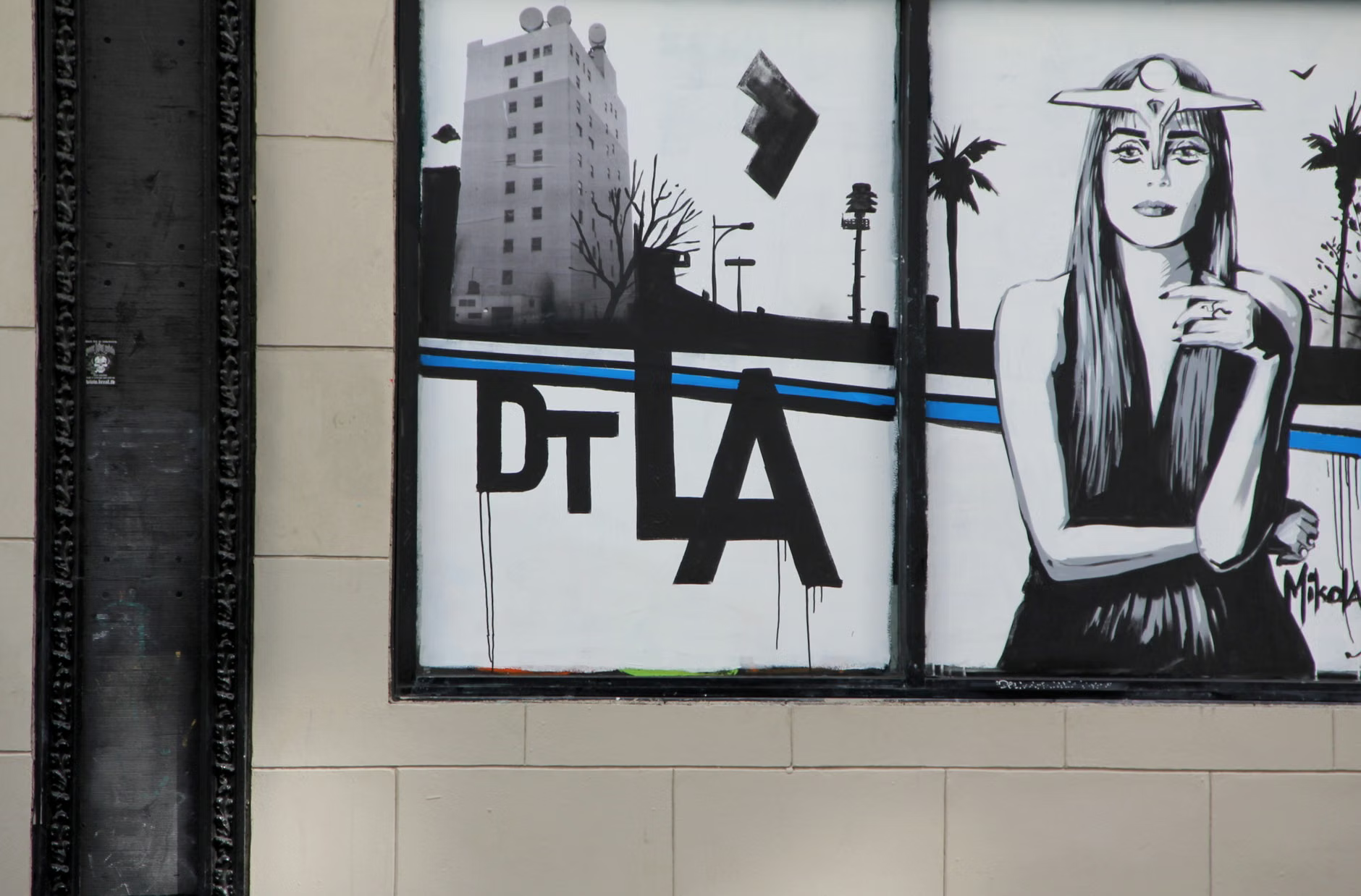
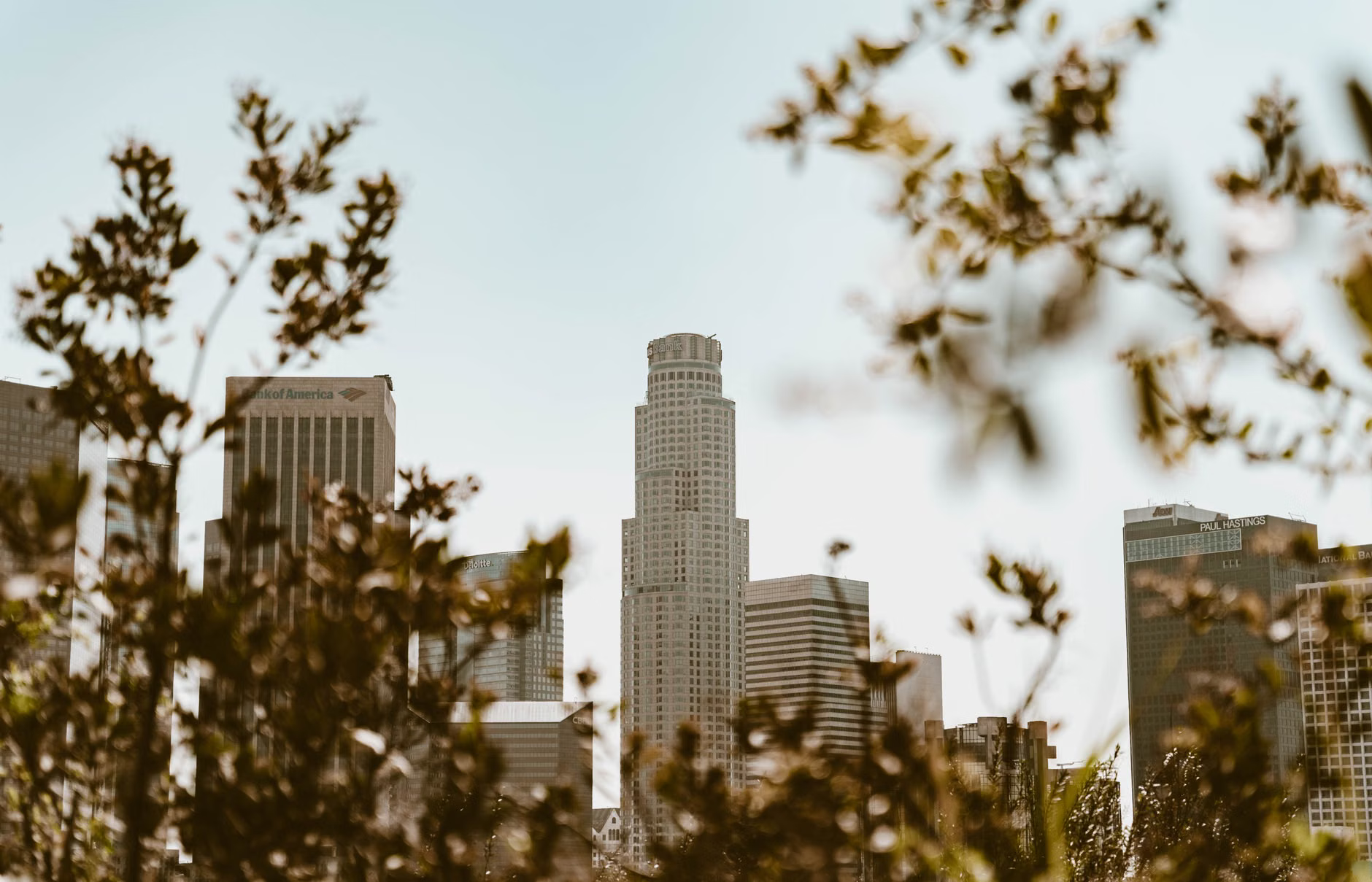
If Smorgasburg is the chaotic farmer's market of your dreams, ROW DTLA is its polished, permanent sibling. This 30-acre campus in the Arts District used to be an industrial warehouse complex; now it's a destination in its own right, with a permanent food hall that feels more like a curated gallery of flavors. Inside, you'll find 20+ vendors hand-picked for quality and pedigree, including Sonoratown, the celebrated taqueria known for its flour tortillas made fresh to order and its Sonoran-style carne asada. The difference between Sonoratown and your average taco shop is like the difference between a vinyl record and a Spotify stream — both deliver, but one is an experience.
Across the hall, Wexler's Deli serves up Jewish deli classics with a California twist — think pastrami on rye with house-made pickles that snap with vinegar, plus a smoked fish board that rivals any spot on the East Coast. The room itself is a design lover's dream: exposed steel beams, polished concrete floors, and long communal tables that encourage conversation. On weekends, the campus hosts a weekly farmers market right outside the food hall, along with a boutique shopping sprawl that includes vintage clothing, ceramics, and vinyl shops. It's the ideal Saturday afternoon mission: browse for an hour, eat for two, and leave with both a new tote bag and a full stomach.
One major advantage: free parking. On weekends, the parking lots fill up fast, but they're ample and genuinely free — a rarity in downtown LA. Arrive before noon to snag a spot close to the entrance and avoid the post-brunch surge.
Pasadena's Great Food Hall: A Suburban Jewel
Sure, downtown gets all the attention, but the San Gabriel Valley has quietly become one of LA's most exciting dining regions — and The Great Food Hall in Pasadena is proof. Opened in 2021 at the corner of Green Street and De Lacey Avenue, this bright, modern space hosts 12 vendors that punch far above their weight. The crown jewel is Lasita, a modern Filipino concept that has earned a fervent following for its rotating menu of comfort dishes. Their chicken adobo served with a perfectly crisped, garlicky rice is the kind of meal you'll think about for days. If you're lucky enough to catch their seasonal special — a lechon kawali with housemade atchara — don't hesitate.
Beyond Lasita, the hall rotates in a mix of vendors focused on Korean fried chicken, ramen, and upscale tacos, so there's always a fresh option to explore. What I love most is the atmosphere. The hall features a European-style glass roof that floods the space with natural light, making it one of the most photogenic food halls in LA. The light bounces off white tile counters and wooden tables in a way that makes every dish look editorial-ready. If you're an Instagram enthusiast, this is your shooting location.
Another killer feature: late-night hours. While most food halls shut down by 8 or 9 PM, The Great Food Hall stays open until 11 PM on Fridays and Saturdays, making it the go-to spot for after-concert snacks or late-night date bites. And because it's in Pasadena, parking is a breeze — there's a convenient underground garage with affordable rates, a luxury you'll appreciate after navigating downtown's maze.
The Original Farmers Market: A Historic Landmark
Before food halls were a trend, there was The Original Farmers Market at 3rd and Fairfax. Established in 1934, this open-air institution has been feeding Angelenos for over 90 years — it's a living museum of the city's culinary history, and stepping onto its shaded wooden walkways feels like traveling back to a simpler time. It houses over 100 stalls, ranging from fresh produce and butchers to international food counters that have been run by the same families for decades.
Your first stop has to be Bob's Coffee & Doughnuts, a stall that has been serving hand-cut glazed doughnuts for over 70 years. The classic glazed is perfect — crisp exterior, pillowy middle, and just the right amount of sugar. Grab a cup of their strong coffee and you'll understand why locals have been loyal for generations. From there, wander over to the French Crêpe Company for a buckwheat crepe filled with ham and gruyère, or hit Magee's Kitchen for their famous house-smoked turkey sandwich. And if you've never tried a Brazilian cheese bread from Pampas Grill, you're missing out on one of the market's most beloved bites.
What makes this market especially appealing is its location. It sits immediately adjacent to The Grove, the open-air shopping destination that's one of LA's most visited tourist attractions. The clever move: park in the Farmers Market lot and get 90 minutes of free validation with any purchase. Eat first, shop second — or shop first, then reward yourself with a doughnut. Either way, you've just saved yourself $15 in parking compared to The Grove's main lots.
Your Food Hall Crawl Game Plan: Tips & Hidden Gems
Now that you've got your destinations mapped, it's time to strategize. A food hall visit isn't like a regular meal — it's a multi-stop expedition that requires a plan. Start with a sample plate. Almost every vendor offers a smaller portion in the $5 to $7 range, and wise diners use this to their advantage. Instead of one $15 burrito, you can taste four $5 items — a taco from one stall, a dumpling order from another, a sliver of cheesecake to finish. You'll leave fuller, happier, and with a better sense of the hall's range.
Next, check Instagram before you go. Many stalls post limited-time dishes, weekend specials, or happy-hour discounts directly on their social channels. A quick scroll can reveal that Sonoratown is debuting a new birria consommé that same day or that the ramen spot is offering $3 off their spicy miso. It's the digital version of having an inside source — use it to your advantage.
Finally, think about timing and tactics. Here's a cheat sheet for your crawl:
- Go early or late: Avoid the 12:30–2 PM lunch rush and the 6–7:30 PM dinner peak; you'll face shorter lines and easier seating.
- Divide and conquer: If you're with a group, each person orders from a different stall, then you all share. It's the most efficient way to sample the menu.
- Bring a backpack: Many stalls don't offer trays, so a bag makes it easier to carry your haul to a communal table.
- Ask the vendors what's new: They'll often point you to an off-menu item or a dish they're especially proud of — you'll taste things you never would have found otherwise.
So what are you waiting for? This Saturday, start at Grand Central Market and grab an Eggslut sandwich to fuel your crawl. Sunday, hit Smorgasburg LA for the ramen burger — or if you're on the east side, end your week at The Great Food Hall in Pasadena for late-night adobo. Plot your route, bring an empty stomach, and taste the real LA — one stall at a time.