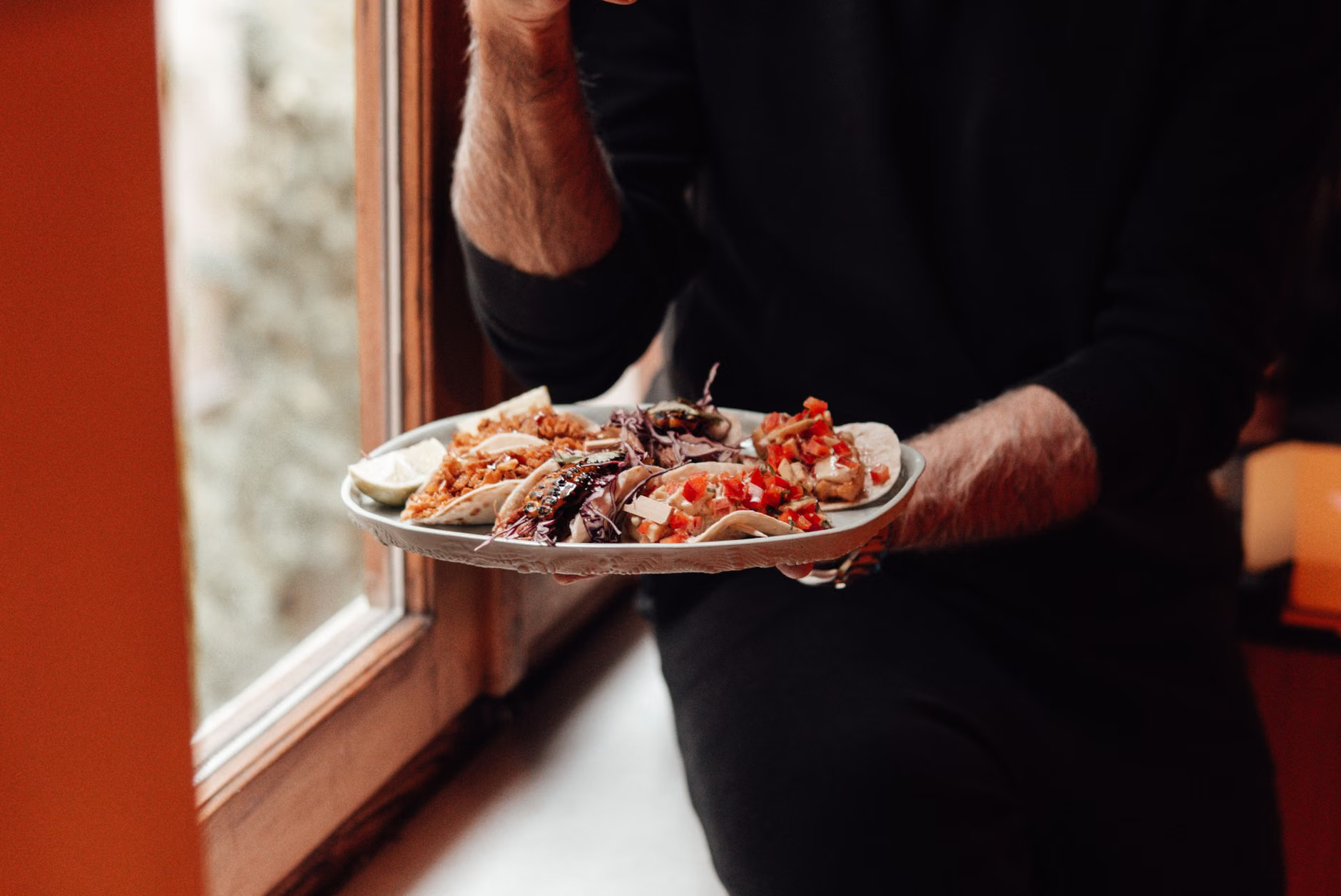
Bring the flavors of LA's legendary taco scene to your home with five iconic fillings, fresh tortillas, and salsas—plus tips for hosting an epic taco night.
The first time I bit into a taco from a silver pushcart on Olympic Boulevard, with the hot corn tortilla crumbling just slightly as the al pastor juice ran down my wrist, I understood something that Angelenos know instinctively: a taco is never just a taco. It's a conversation with a neighborhood, a history of migration and reinvention, and arguably the most perfect food design humanity has ever produced. But here's the secret that the city's most beloved taqueros will never tell you: you don't need a custom-built trompo or a decades-old family recipe to make taqueria-quality tacos at home. You just need the right techniques, honest ingredients, and a little bit of LA spirit. These five recipes—inspired by the griddles of Boyle Heights, the fryers of Venice, and everything in between—will show you exactly how to do it.
Why LA Is the Taco Capital of the U.S.
Let's do the math. Los Angeles County operates more than 8,000 taco trucks and taquerias—that's a higher per-capita density of taco purveyors than any other city in the United States. And this isn't a recent phenomenon; the city has been quietly perfecting its taco culture for generations, absorbing wave after wave of regional Mexican culinary traditions and recalibrating them for the Southern California landscape.
What makes LA different? It's the convergence of regional styles under one smoggy, sunny sky. In a single afternoon, you can drive from a Tijuana-style carne asada stand in East LA where the meat is grilled over mesquite, to an Ensenada-style fish taco shack in Venice where the batter shatters like glass, to a Mexico City–style al pastor joint in Koreatown that fuses the pineapple-topped trompo with Korean gochujang marinade. The legendary Tacos el Gordo in Chula Vista and San Diego has made the Tijuana-style adobada famous county-wide, while Guerrilla Tacos and Mariscos Jalisco have elevated the humble street taco to culinary art form—the latter's crispy shrimp taco even earned a James Beard nomination. Add the annual LA Taco Festival, which routinely draws crowds of 20,000+ to see who's got the best suadero or lengua in town, and you've got a city where tacos aren't just food—they're a cultural identity badge.
The good news? You don't need to live near a great taqueria to eat like it. The ingredients are at your local market, the techniques are learnable, and the recipes below capture the essence of what makes LA's taco scene so electric. Here's how to bring it all home.
The Essential Taco Toolkit: Gear and Ingredients
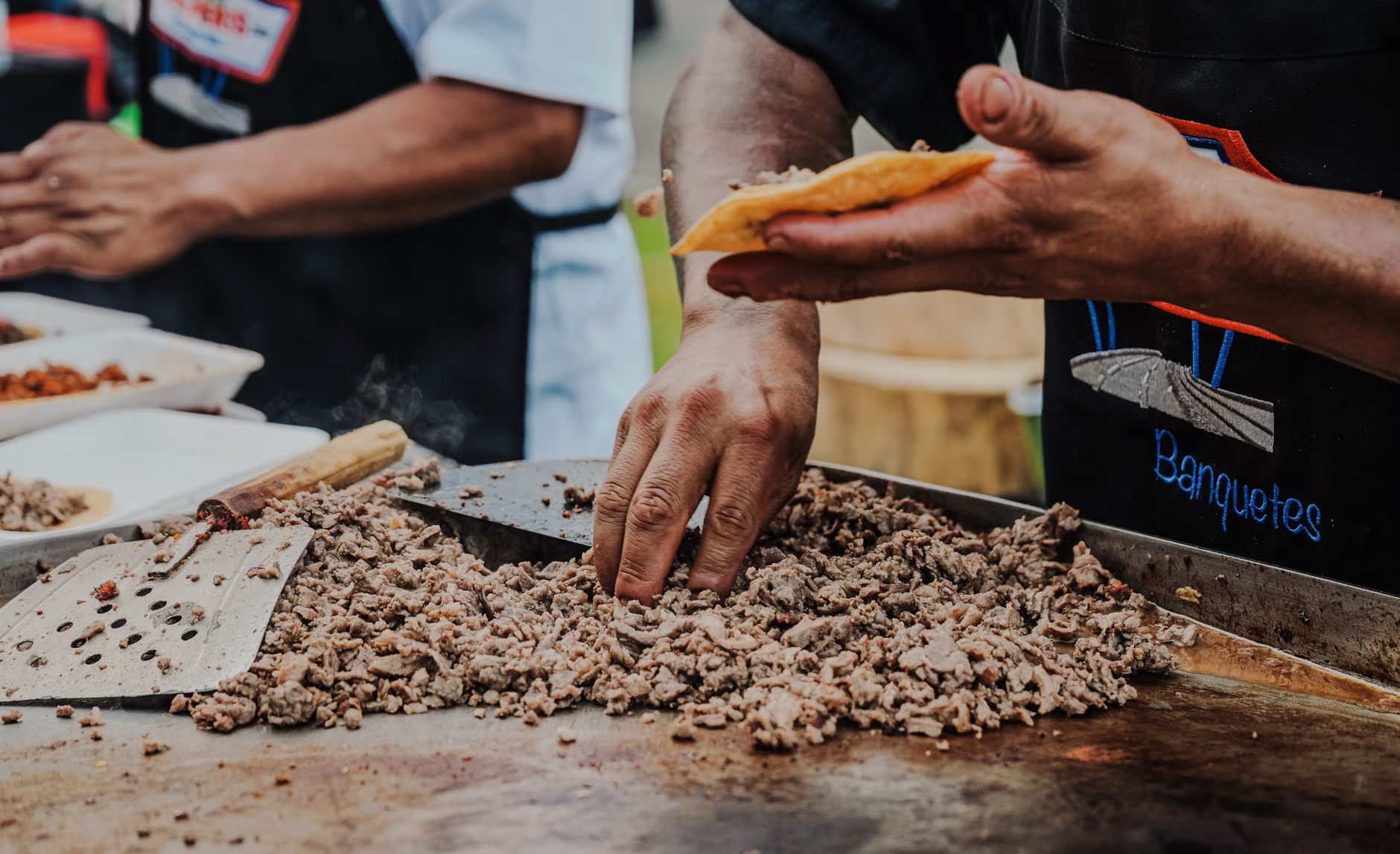
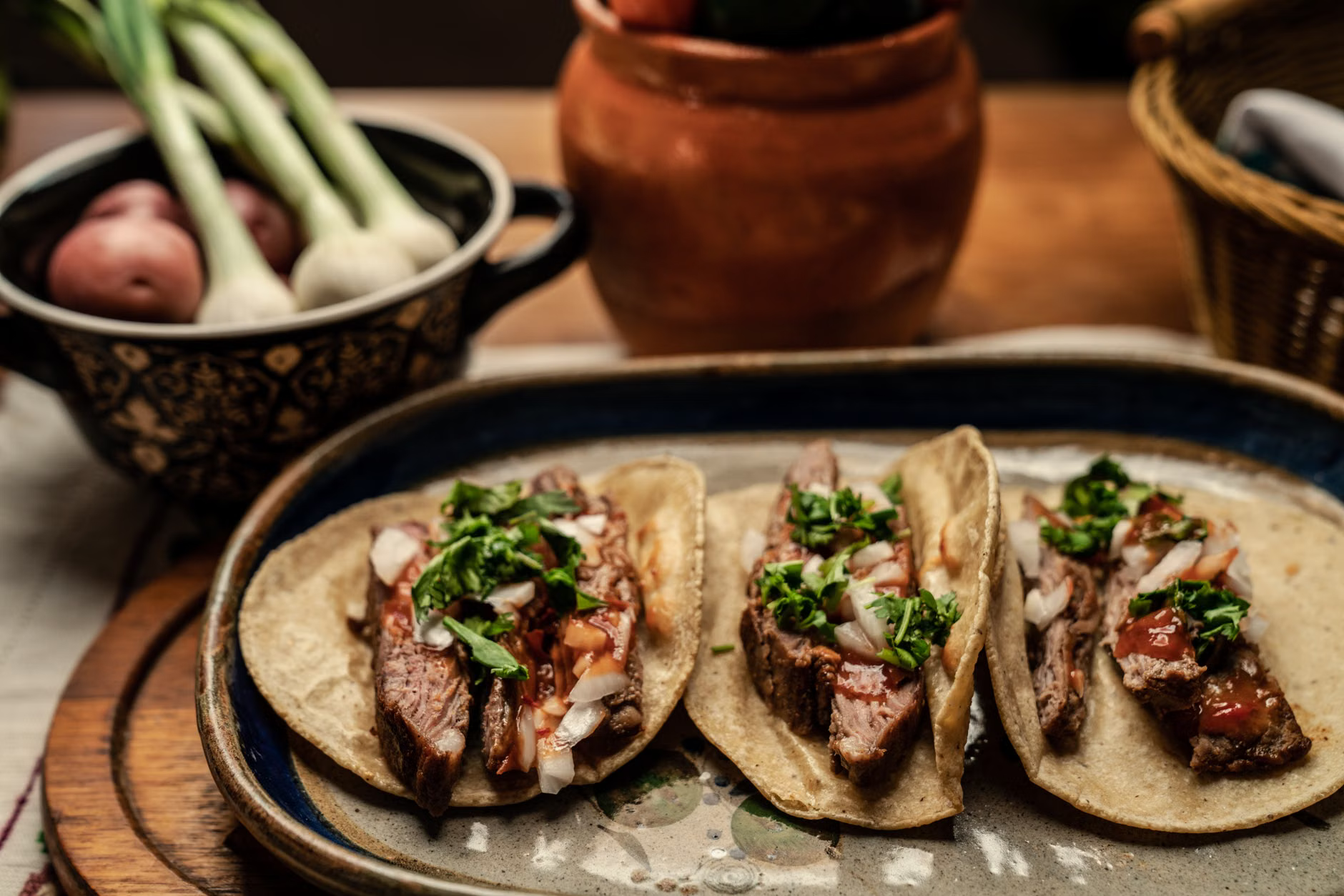
Before you start cooking, let's set up your kitchen for success. You don't need a full restaurant setup, but a few key pieces will make the difference between a taco Tuesday that's just okay and a taco night your neighbors will be talking about for weeks.
- Cast-iron comal (griddle): A 10-inch model from brands like Lodge or Victoria runs about $25–$35 and will serve double duty for charring tortillas and searing meats. The even heat retention is non-negotiable for that beautiful, blistered tortilla surface.
- Tortilla press: A cast-aluminum Victoria press (around $30) makes fresh corn tortillas a genuinely easy weeknight task. Pair it with Maseca instant corn masa flour—the gold standard that's available at virtually every LA grocery store–for authentic results in under 15 minutes.
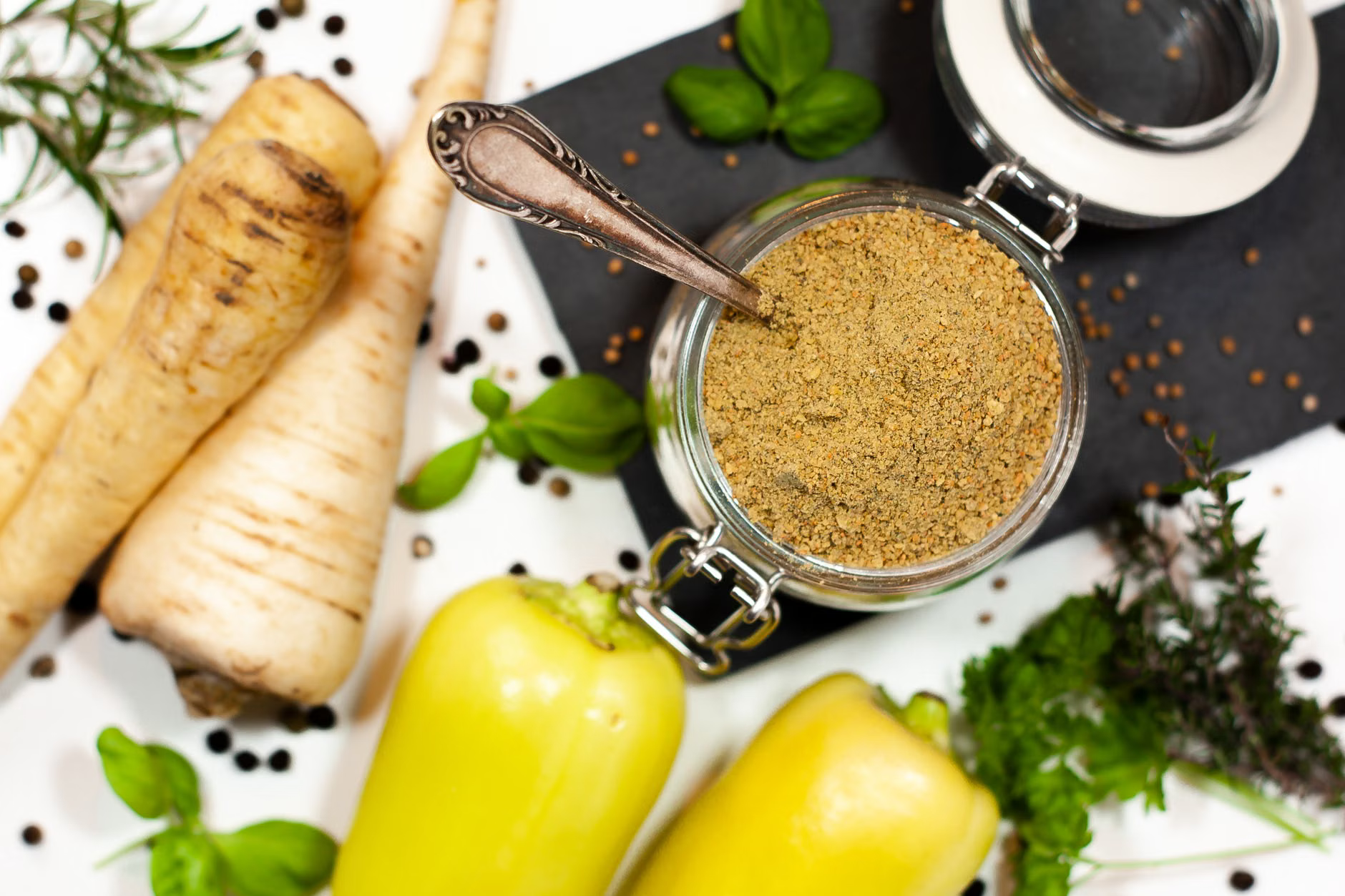
- Chile pantry staples: Stock dried guajillo, ancho, and árbol chiles. Toast them in a dry pan for 30 seconds per side until fragrant, then soak in hot water for 20 minutes before blending into marinades, salsas, and adobos.
- Meat cuts that matter: For carne asada, hunt for skirt steak or flank steak (ask your butcher for "outside skirt" if they have it—it's the good stuff). Pork shoulder is your friend for both carnitas and al pastor, while boneless skinless chicken thighs (about $3/lb at most markets) make a great lighter alternative.
- Fresh finishing ingredients: Never skip the lime, cilantro, and radishes. These three items provide the bright, crunchy contrast that turns a heavy, juicy taco into a balanced, craveable one.
One additional pro tip: invest in a good tortilla warmer—either a plastic-lined basket from a Mexican grocery store or just a clean kitchen towel that you're not afraid to get corn-flour dust all over. Warm tortillas are a non-negotiable element of the taco experience, and the warmer will keep them pliable while you cook your proteins.
Tortilla 101: Corn vs. Flour and How to Make Them Fresh
Here's a controversial statement: for tacos, corn tortillas are always the right answer—and no, I don't want to hear arguments about burritos. (Flour tortillas have their place, but that place is on a quesadilla or a burrito, not under a properly made al pastor.) The good news: you don't need to buy pre-made corn tortillas that taste like cardboard. Fresh ones take exactly 15 minutes.
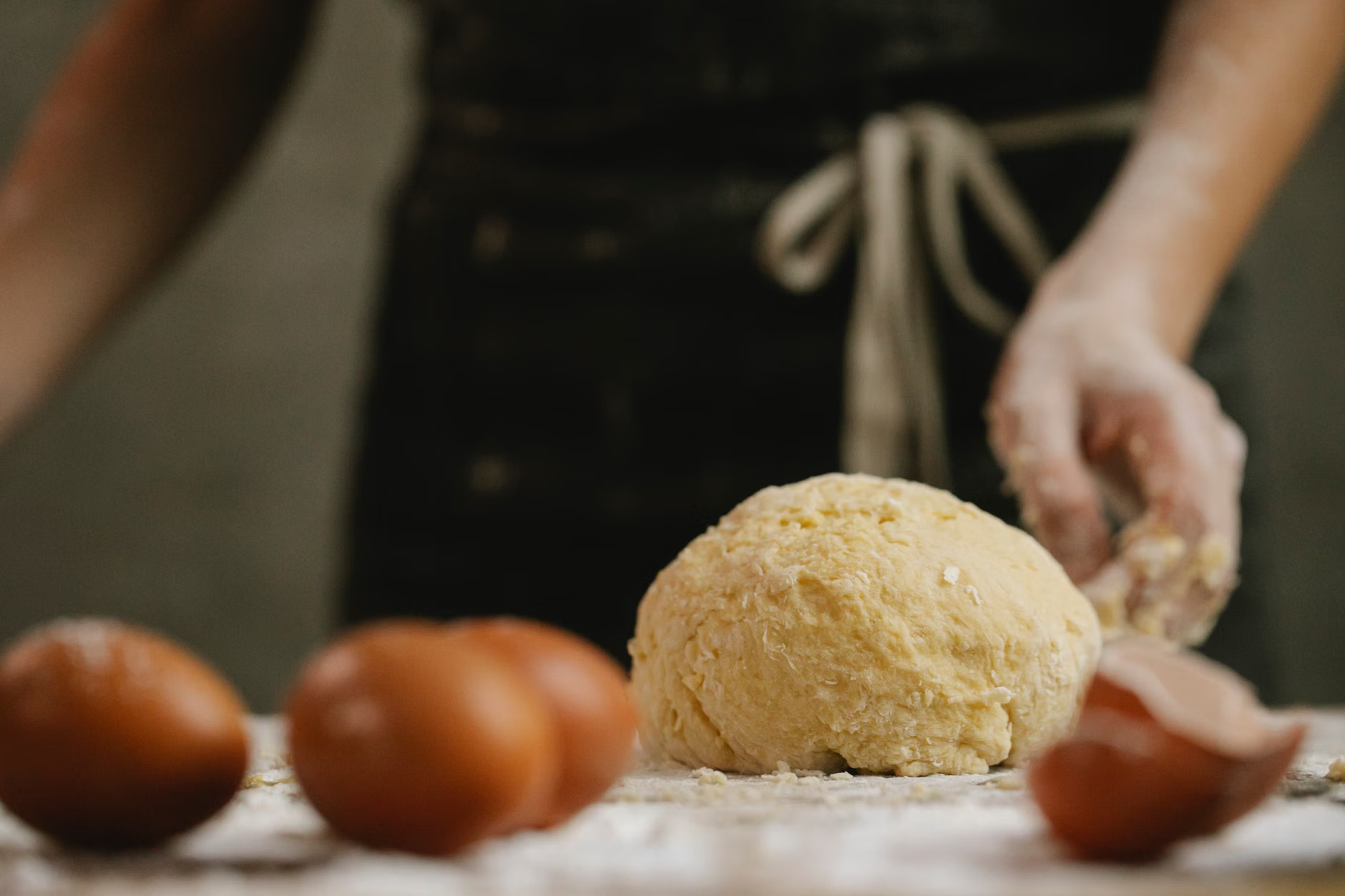
To make your own corn tortillas, mix 2 cups of masa harina with 1½ cups of warm water and a pinch of salt. Mix until the dough comes together into a smooth ball—it should feel like soft Play-Doh, not sticky. If it cracks at the edges when you press it, add a splash more water. Divide into 12 equal balls, press each one flat between two pieces of plastic wrap in your tortilla press, and cook on your hot comal for about 30 seconds per side at high heat. The tortilla should puff up slightly and develop dark, freckled char spots. Stack them in a clean kitchen towel as you go, and don't let them stay stacked too long—they'll steam themselves into mush.
If you're in LA, there's one more upgrade: buy fresh masa from a local tortilleria. El Milagro and La Favorita are both excellent spots with multiple locations across the city, and fresh masa (the wet dough, not the dried flour) makes tortillas with a sweet, corn-forward flavor that the dry stuff simply can't match. Ask for "masa preparada" and you'll get a dough that's ready to press.
Five Iconic Taco Fillings You Must Try
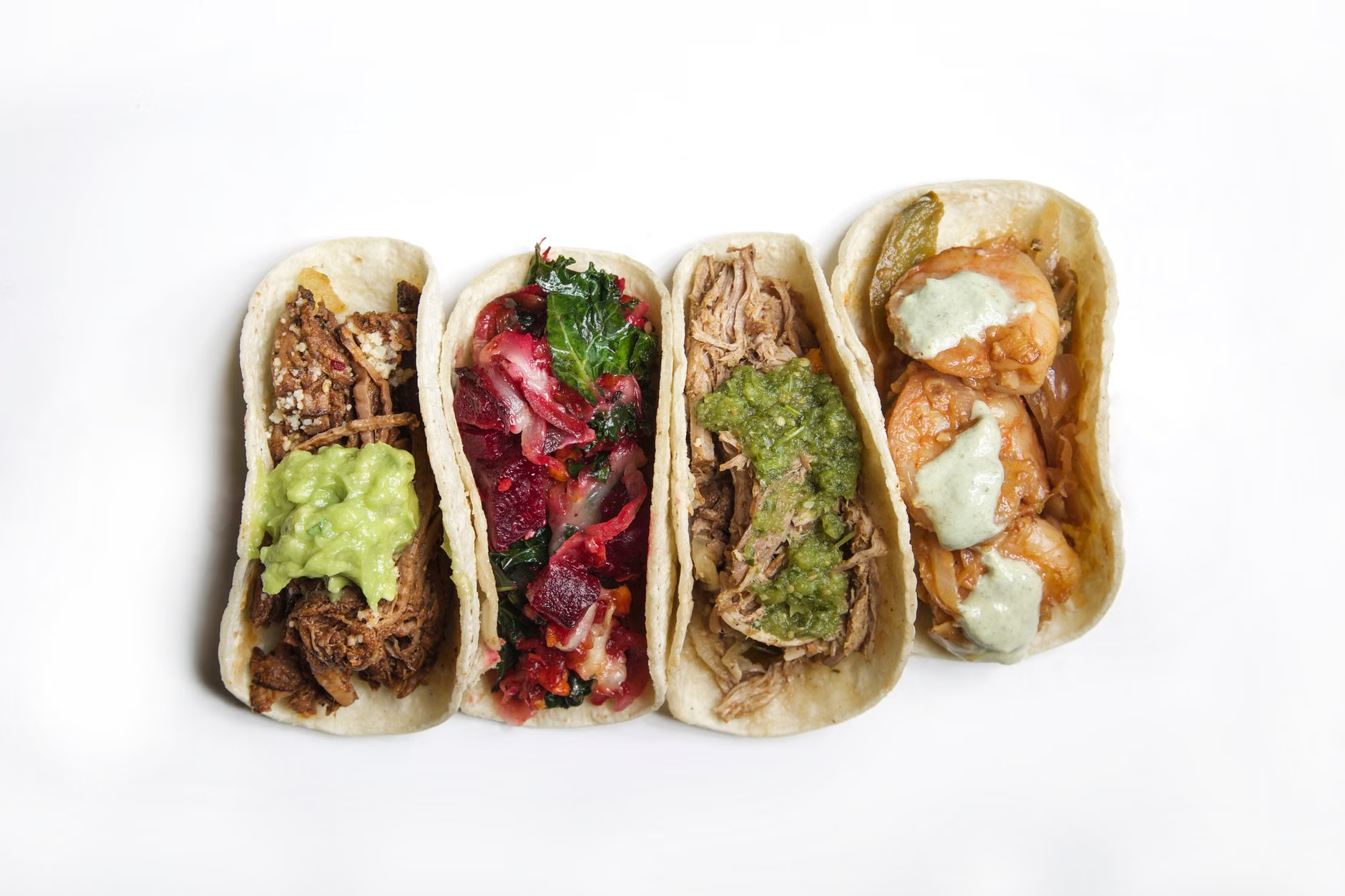
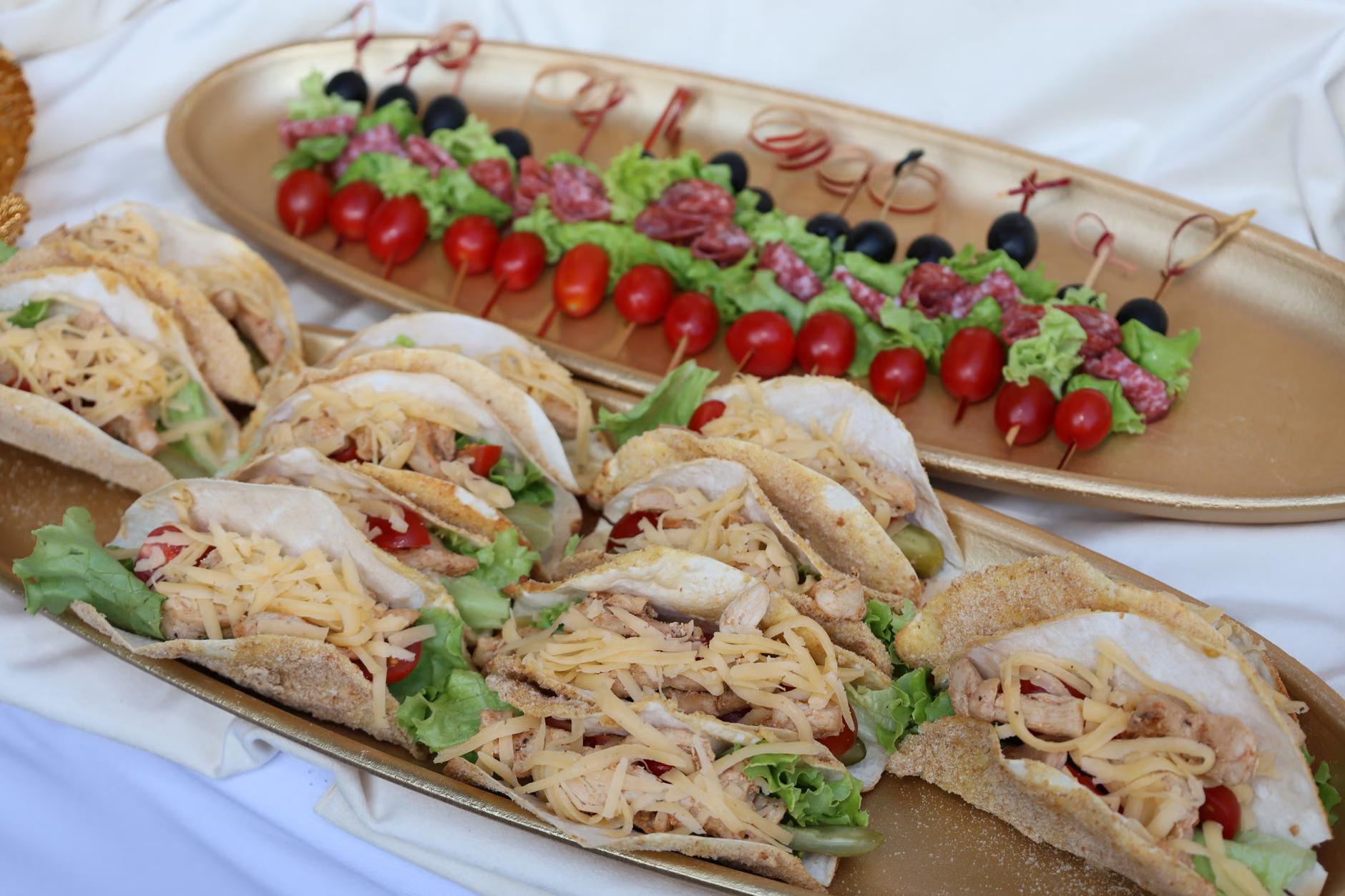
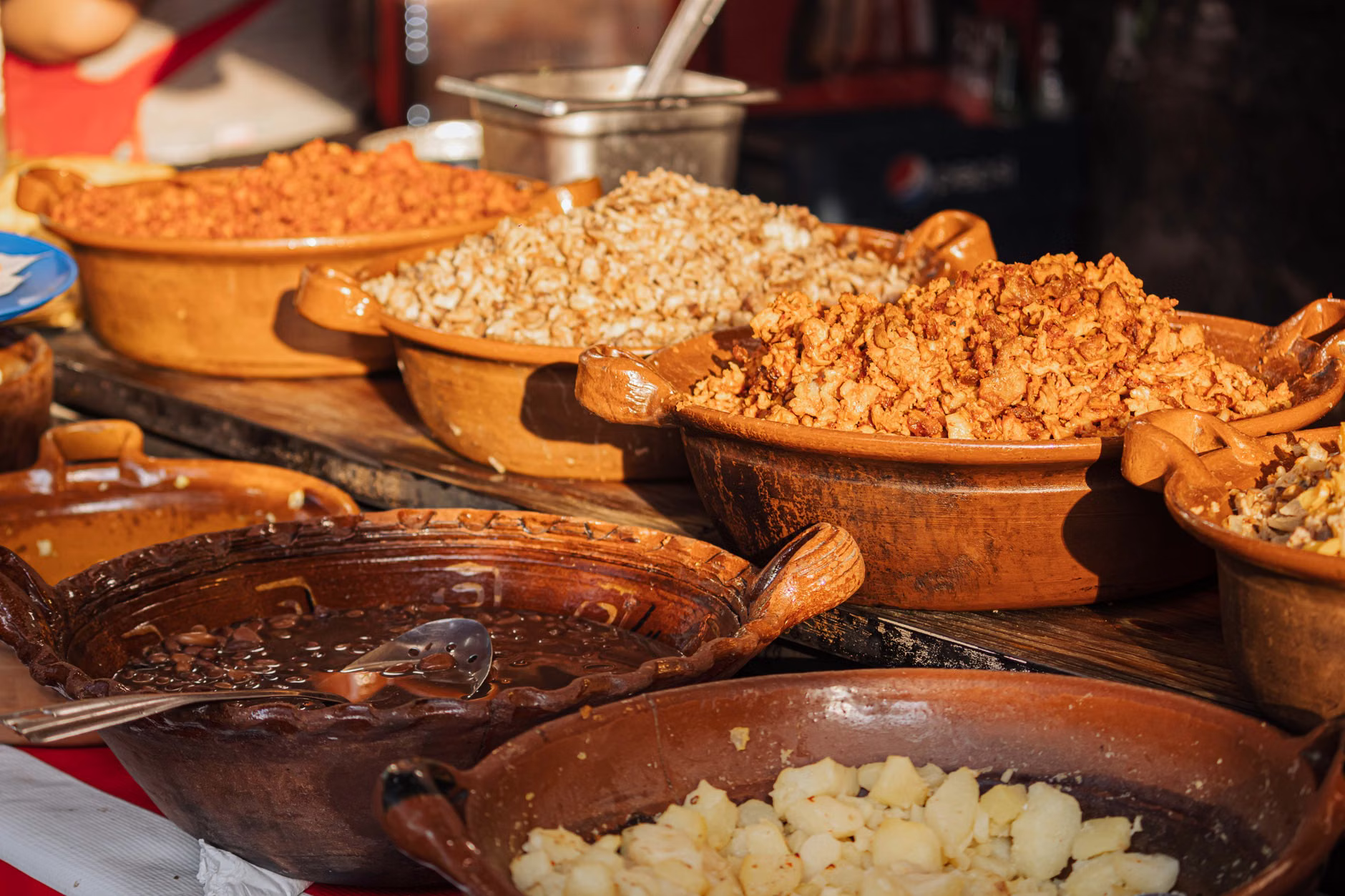
Now for the main event. These five fillings represent the core of LA's taco identity, and each one uses a different cooking technique—marinating and oven-roasting, high-heat grilling, slow-braising and crisping, deep-frying, and griddling. Master these and you'll have a taco repertoire for life.
Al Pastor: The Pineapple-Spiked Classic
Al pastor's theatrical origins on a vertical spit make it look intimidating, but you absolutely don't need a trompo to get that flavor at home. Marinate 2 pounds of pork shoulder, thinly sliced, in a blend of 3 soaked guajillo chiles, 2 cloves of garlic, 1½ tablespoons of achiote paste, ¼ cup pineapple juice, and a splash of white vinegar. Let it sit overnight. The next day, spread the pork on a sheet pan and roast at 350°F for 45 minutes, then crank the heat to 450°F and char the edges for 8–10 minutes. Serve with charred pineapple wedges (grill them until sweet and caramelized) and finely chopped white onion, plus a sprinkle of cilantro and minced serrano if you like heat.
Carne Asada: The Grilled Backbone
The quintessential LA taco is nothing more complicated than great beef, a smart marinade, and a screaming-hot fire. In a bowl, combine ¼ cup orange juice, 1 tablespoon lime juice, 3 minced garlic cloves, 1 teaspoon cumin, 1 teaspoon kosher salt, and a splash of soy sauce (trust me on this one—it's the LA fusion secret). Marinate 1½ pounds of skirt steak for at least 2 hours, then pat it dry and grill over high heat for 3–4 minutes per side for a perfect medium-rare. Let rest for 5 full minutes before slicing thin against the grain. The color should be rosy, the edges crisp, and the citrus tang should cut through the richness of the beef.
Carnitas: Slow-Cooked and Crisped
Carnitas are the LA taco order for when you want something deeply comforting. Cut 2 pounds of pork shoulder into 2-inch chunks and place in a Dutch oven with enough rendered lard (or neutral oil) to mostly cover it. Add 1 halved orange, 2 cinnamon sticks, 3 bay leaves, and a teaspoon of salt. Simmer gently at 300°F for 2½–3 hours until fork-tender, being careful not to stir the meat too much and break it apart (this is a low, gentle process). When you're ready to eat, shred the meat and crisp it under the broiler for 5 minutes so the edges get golden and shattery. The payoff is fall-apart tenderness with a crunchy contrast, and it's worth the patient cook.
Ensenada-Style Fish Tacos
The fish taco is proof that LA's taco culture extends beyond Mexican borders—it's a coastal export via Baja California that has become as essential to LA as a Dodgers game. Cut 1 pound of halibut or cod into 1-inch chunks, then dip them into a light batter made from 1 cup all-purpose flour, 1 cup ice-cold beer, and a pinch of salt. Drop a few pieces at a time into oil heated to 375°F and fry for 3–4 minutes until golden and floating. Drain on paper towels, then build your tacos with a slaw of shredded cabbage (creamy or vinegar-based—your call), a drizzle of white crema, and a fiery salsa. The batter should be light and crisp, not doughy; the ice-cold beer is the key to making sure it shatters rather than bakes.
Grilled Veggie Nopales
For the herbivores in your life—and let's be honest, in LA there's always at least one—nopales are the answer. Slice 2 large cactus paddles (trim the spines with a knife or vegetable peeler) into 1-inch strips, tossing with olive oil, salt, and a squeeze of lime. Grill on high heat for 4–5 minutes per side until they develop dark grill marks and turn slightly translucent. Toss with ¼ cup diced white onion, 2 tablespoons chopped cilantro, and another squeeze of lime. Serve with crumbled queso fresco on top and you've got a taco that's bright, slightly tangy, and completely satisfying—no meat required.
Salsas and Toppings: The Soul of the Taco
A filling alone is just a protein. The alchemy happens when you hit it with the right salsa. Here's a rundown of the salsas and toppings that separate a decent taco from a memorable one. All of these keep for a few days in the fridge, so make extra.
- Smoky salsa roja: Roast 3 Roma tomatoes, 2 dried árbol chiles, and 2 cloves of garlic in a dry skillet until charred, then blend with salt to taste. You get a deep, smoky heat that works with absolutely everything.
- Charred salsa verde: Place 4 tomatillos and 1 jalapeño on a hot comal until blistered, then blend with a handful of cilantro, ¼ white onion, and a pinch of salt. The result is bright, tangy, and gently spicy—a perfect counterpoint to rich pork.
- Fresh pico de gallo: Dice 3 ripe tomatoes, ½ onion, and 1 jalapeño (seeded if you want less heat), and toss with lime juice and chopped cilantro. Let the whole thing sit for 10 minutes before serving so the flavors can marry.
- Quick-pickled red onions: Thinly slice 1 red onion and submerge in a mixture of 1 cup apple cider vinegar, 2 tablespoons sugar, and 1 teaspoon salt. Ready in 15 minutes; the sweet-tart zing will transform every taco they touch.
- Essential finishing lineup: Fresh cilantro leaves, radish slices, lime wedges, and a crema made by whisking 1 cup Mexican sour cream with a splash of lime and a pinch of salt. Set out these four elements at minimum, and you'll have the foundation of any great taqueria's garnish station.
Hosting a Taco Bar: How to Feed a Crowd LA-Style
Hosting a taco night in LA isn't just a dinner—it's a community event. The good news is that taco bars are the most forgiving dinner party format in the world: everything can be prepped ahead, guests can build custom combinations, and the slight chaos actually makes the evening more fun. Here's how to pull it off without losing your mind.
- Calculate the right amounts: Plan for 3 tacos per person. For 10 guests, that's 30 tacos, which translates to about 2.5 pounds of cooked protein total. Add 3 dozen tortillas to that, and you'll have just enough, with a few extras for seconds.
- Set up logical stations: Arrange your table as a flow: warmed tortillas in a cloth-lined basket at the start, then proteins, then salsas, then fresh toppings, then limes. Add handwritten labels with suggested pairings—like "al pastor + charred pineapple + pickled onions."
Ready to bring the flavors of LA to your kitchen? Grab a comal, hit your local market for fresh ingredients, and start cooking tonight. And when you nail that perfect taco, share it with us on Instagram @DailyBitesLA or tag #DailyBitesLA—we want to see your spread. Your taco bar awaits.