LA is America's pasta capital. Learn the techniques, tools, and recipes to make fresh pasta at home—and join our Pasta Club to master it.
Forget the hand-rolled taco and the eternally griddled cheeseburger—the dish quietly stealing the spotlight across Los Angeles right now is pasta. But not the kind you dump from a box. I'm talking about shimmering, hand-cut strands of tagliatelle, plump tortellini with citrus-kissed ricotta, and the kind of cacio e pepe that makes you slap the table in pure Italian joy. In the past five years, LA has quietly become America's pasta capital, and the best part? The techniques that high-end chefs are using in Hollywood-adjacent trattorias are ones you can master at home with just a handful of local ingredients and the right mindset. This city's extraordinary farmers markets, multicultural pantry, and obsession with craft mean you can recreate the magic of Osteria Mozza or Felix Trattoria without a reservation. So grab a bench scraper, roll up your sleeves, and let's make something legendary.
Why LA Is America's Pasta Capital
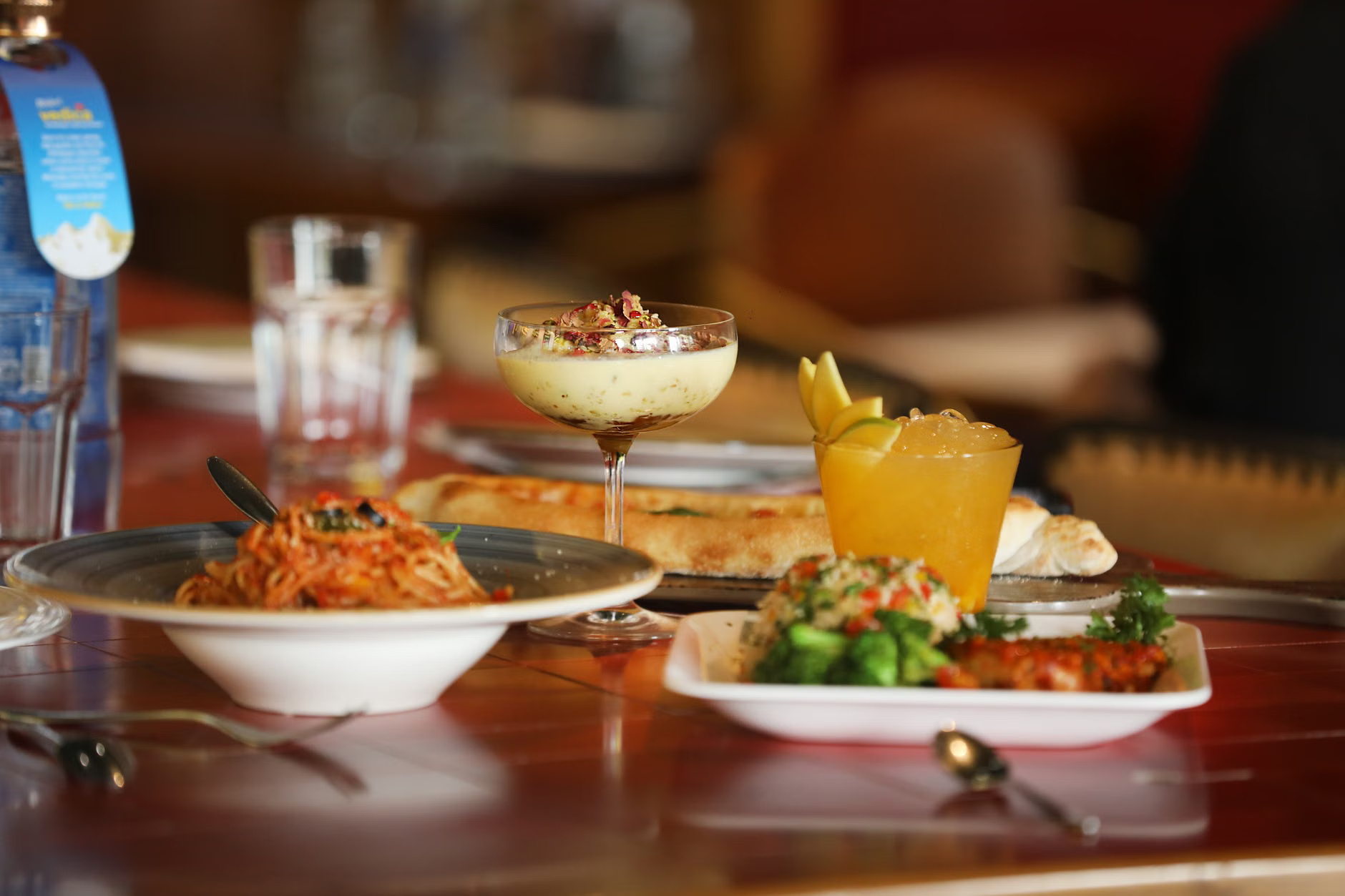
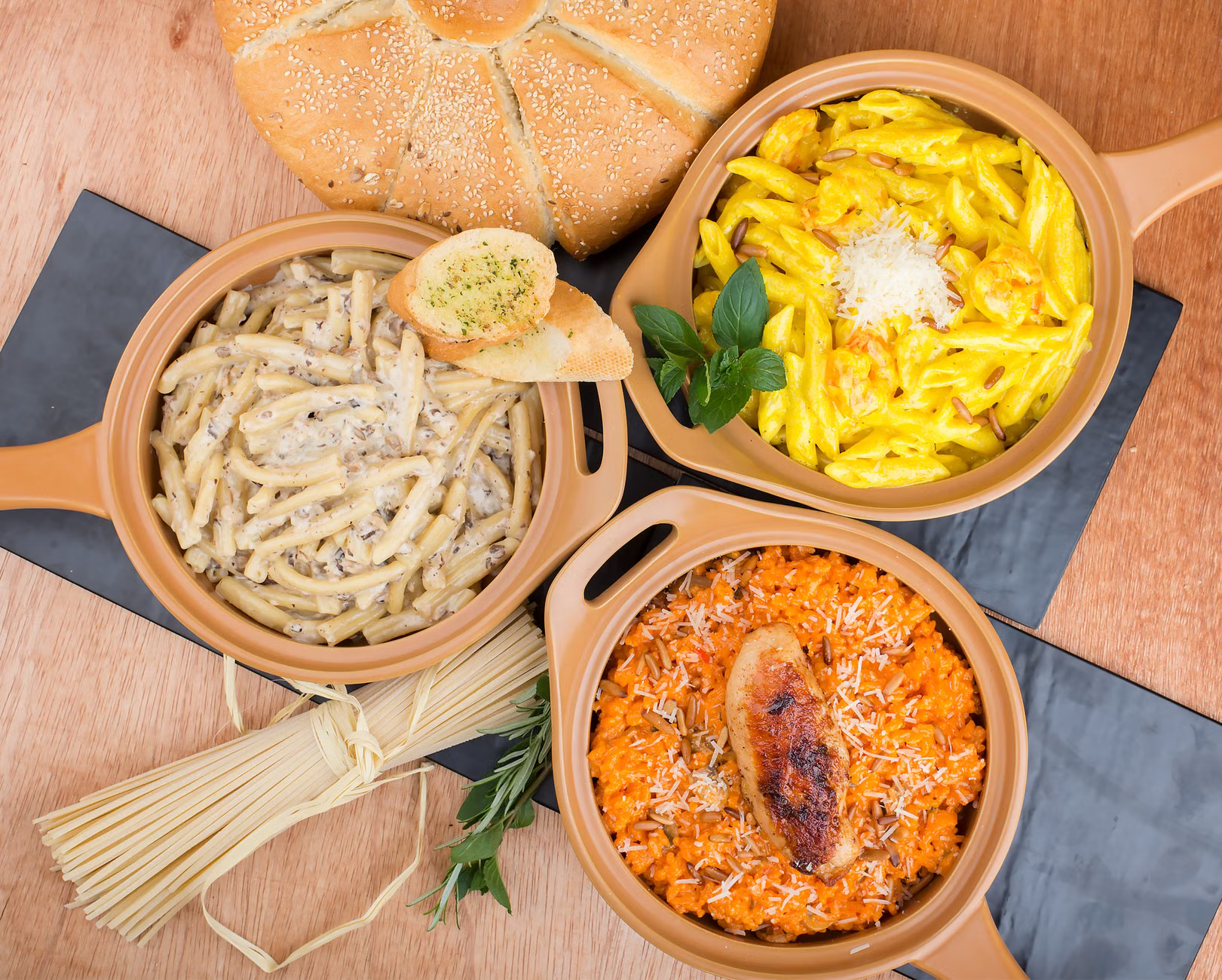
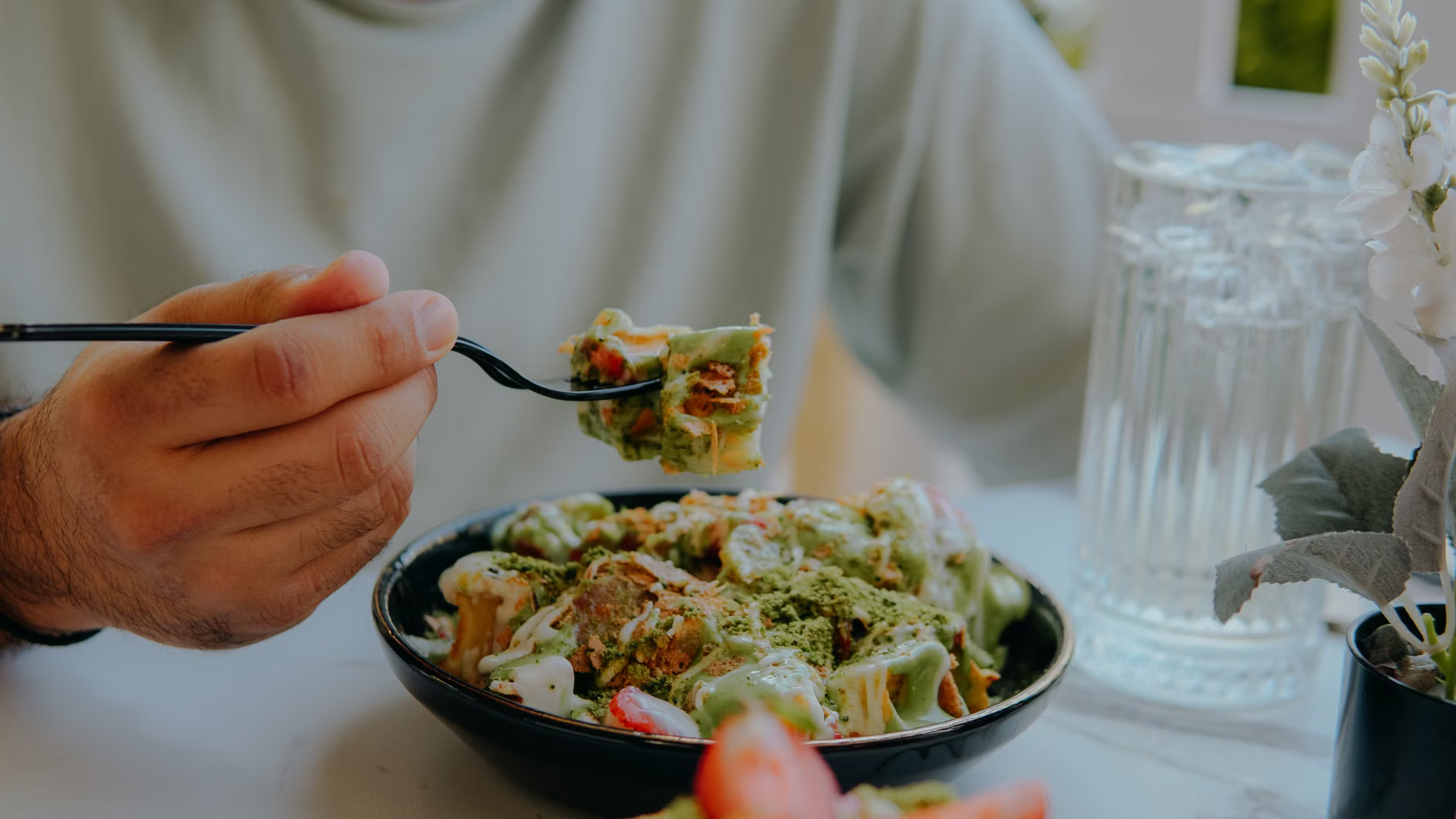
Los Angeles now boasts more than 15 acclaimed pasta-focused restaurants, which has completely reframed the city's culinary reputation beyond the taco truck. And it's not just about having a lot of places—it's about having the right authentic techniques, brought over by chefs who genuinely obsess over Italian craft. Nancy Silverton, the reigning queen of bread and pasta at Osteria Mozza, taught a generation of Angelenos that fresh egg pasta can be rich, luxurious, and deeply personal. Meanwhile, Evan Funke at Felix Trattoria spent years in Bologna studying the art of sfoglina, the female pasta makers who roll dough with nothing but a long wooden pin. He brought that same devotion to Venice Beach, where you can watch him stretch sheets of durum wheat so thin you can read the daily specials through them.
But here's the thing LA has that even Italy doesn't: an agricultural amphitheater of year-round produce, ranches, and orchards. The Santa Monica Farmers Market alone supplies world-class heirloom tomatoes, Meyer lemons, wild arugula, and exotic mushrooms to the city's restaurants. When you make pasta at home in LA, you're standing at the junction of Italian technique and California abundance. That's a powerful combination—and it's exactly why your home kitchen should be the next hot spot for fresh pasta.
The Essential Toolkit: 10 Pasta-Making Must-Haves
Before you transform into a pasta-obsessed Angeleno, you'll need to outfit your kitchen with the right gear. While some tools are aspirational, all of these are practical, affordable, and available online or at local kitchen supply stores like Surfas in Culver City. Here are the non-negotiables:
- Bronze-die pasta machine — the Marcato Atlas 150 ($85) is my go-to for both sheeting and extruding. Hand-crank models give you far more control than electric attachments, especially when you're learning to feel the dough.
- Digital kitchen scale — the Ozeri Pronto runs about $12 and ensures precise 1:1 ratios, which is the difference between elastic dough and a floury disaster.
- Large wooden cutting board — at least 24x18 inches, with a smooth grain. This is your work surface, and it should be dedicated to pasta, not chopped onions.
- Rolling pin — 3/4-inch thick, preferably without handles, so you can guide the dough with your palms like the sfogline do.
- Bench scraper — for gathering dough shards, portioning, and cleaning your workspace. Get a sharp-edged one, not a flimsy plastic lifter.
- Pastry brush — to dust off excess flour from your sheets without tearing them.
- Drying racks — a simple wooden or metal drying rack to rest your shaped pasta before cooking.
- Fluted pasta wheel — for cutting decorative edges on ravioli and fettuccine.
- Pizza cutter — for quick straight lines, especially when making pappardelle.
- A small spray bottle — filled with water, to lightly moisten dough edges when sealing ravioli or tortellini.
This kit is under $150 total, which is less than one dinner for two at a trendy Hollywood pasta spot. Invest in the tools once, and you'll make pasta for years; and unlike a table reservation, this kitchen never kicks you out.
Flour Power: Choosing the Right Wheat for Your Dough
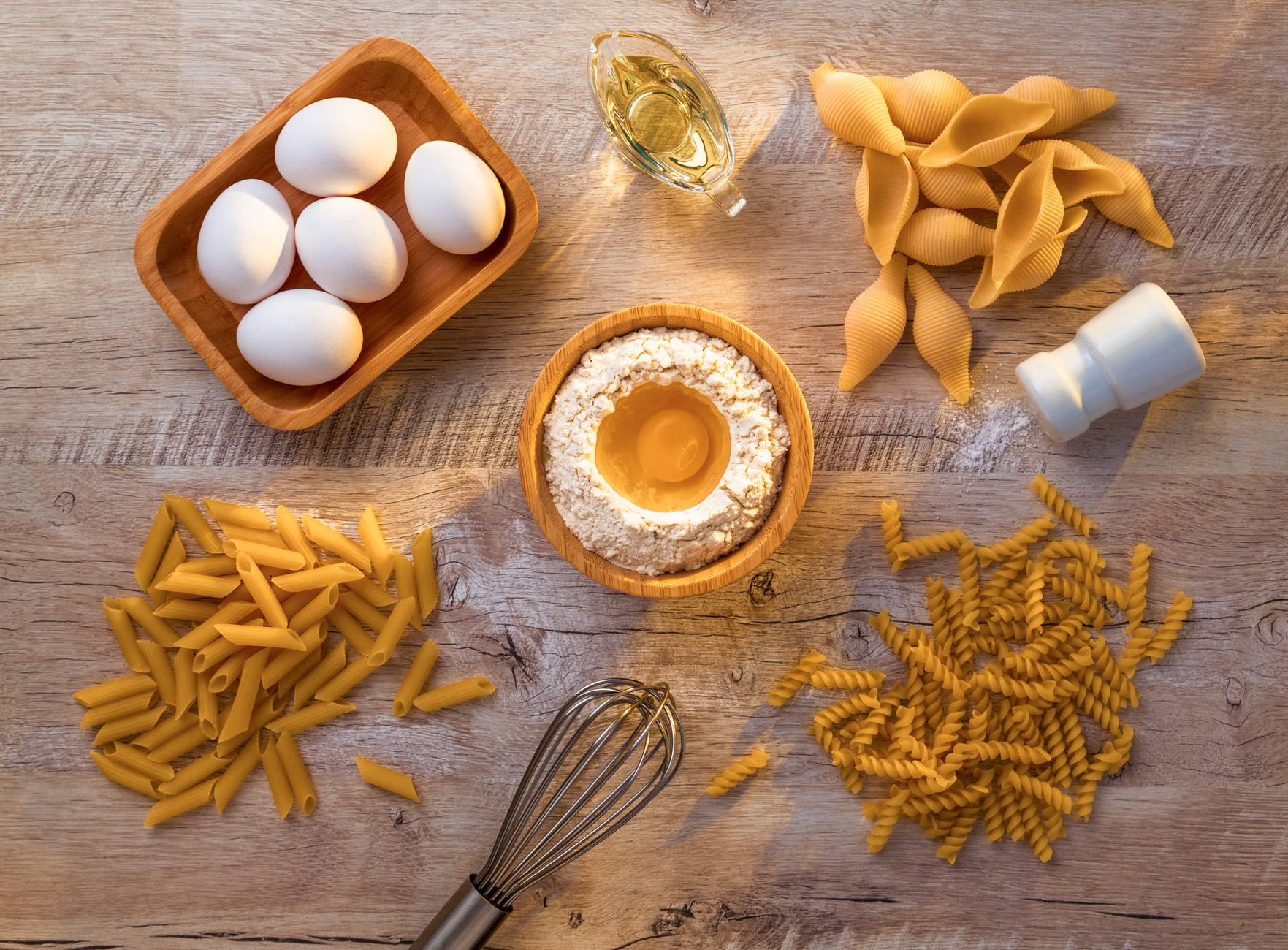
Flour is the soul of your pasta, and in LA you have access to a world of options thanks to specialty grocers and farmers markets. The first thing to understand is protein content. Italian Caputo 00 flour clocks in at about 12.5% protein, which gives your dough chewiness without toughness. It's the gold standard for fresh egg pasta. For a slightly softer, more bread-like texture, American King Arthur 'Sir Galahad' sits at 11.7% protein, and it's a wonderful, inexpensive substitute that's available at any local Whole Foods.
But if you want to take your gourmet pasta recipes at home to the next level, turn your attention to heirloom grains. I love freshly milled Red Fife wheat, an heirloom Canadian variety with a nutty, toasted flavor that tastes like Los Angeles's golden hills. You can buy it in small batches from Cayuga Pure Organics at around $6.50 per pound, and it adds a rustic golden color and a deep agricultural taste that is pure poetry with pesto or a lamb ragù.
Here's a breakdown of my favorite flour combinations depending on what you're making:
- Fluffy and tender: 100% 00 flour for delicate stuffed pastas like ravioli or tortellini.
- Chewy and rustic: A 50/50 blend of 00 and semolina flour. The semolina gives a rough texture that grips chunky sauces, like a seafood cioppino loaded with clams, shrimp, and heirloom tomatoes.
- Whole-grain depth: Replace 30% of the 00 with freshly milled Red Fife or other whole wheat flour. The dough will be a bit harder to roll, but the flavor payoff is enormous.
The best part about shopping in LA? You can often find these flours at the Santa Monica Farmers Market from millers who'll tell you exactly which harvest year the wheat came from. That's the sort of food provenance that turns a simple bowl of pasta into a terroir-driven culinary experience.
The Perfect Dough: Ratios, Resting, and Rolling
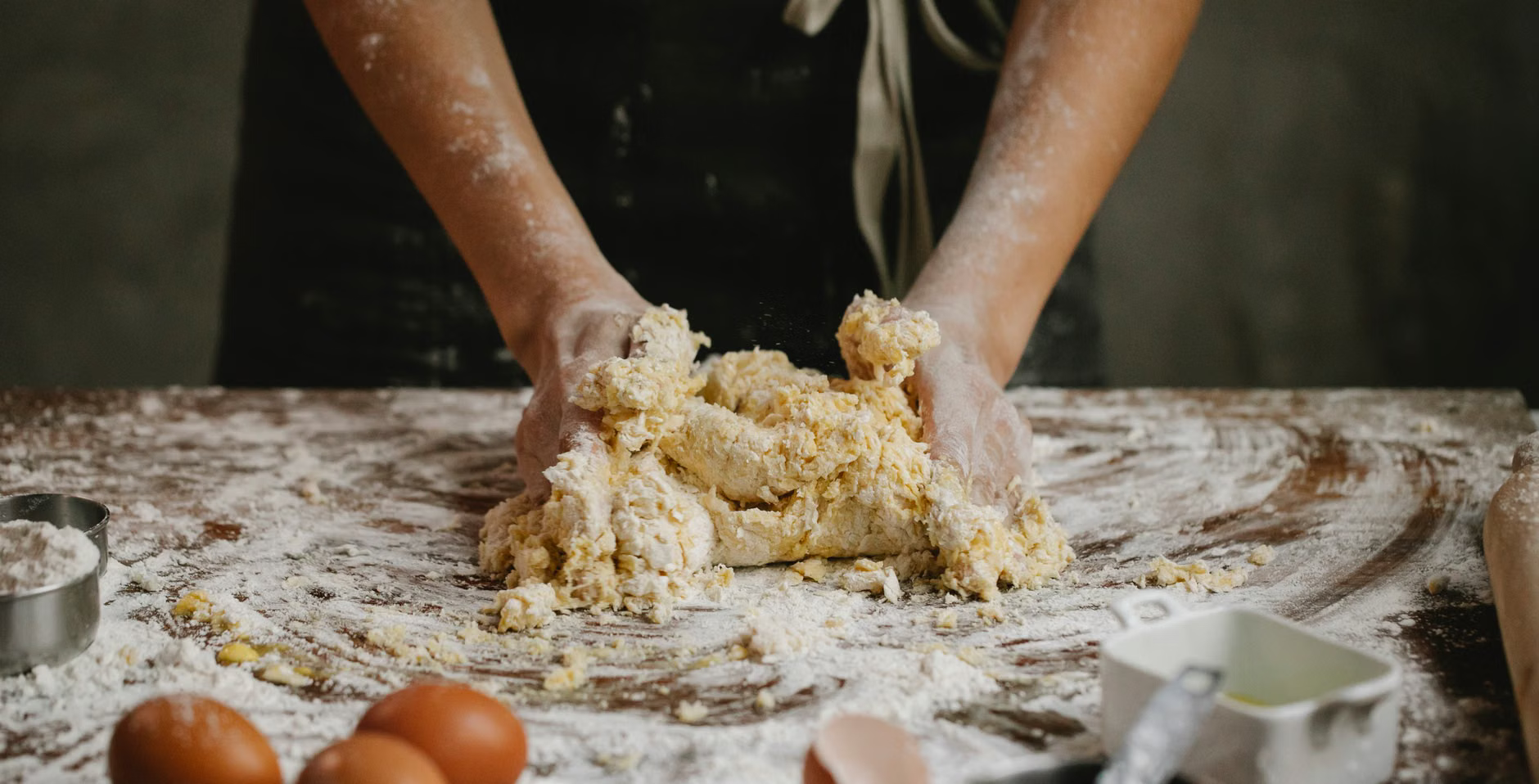
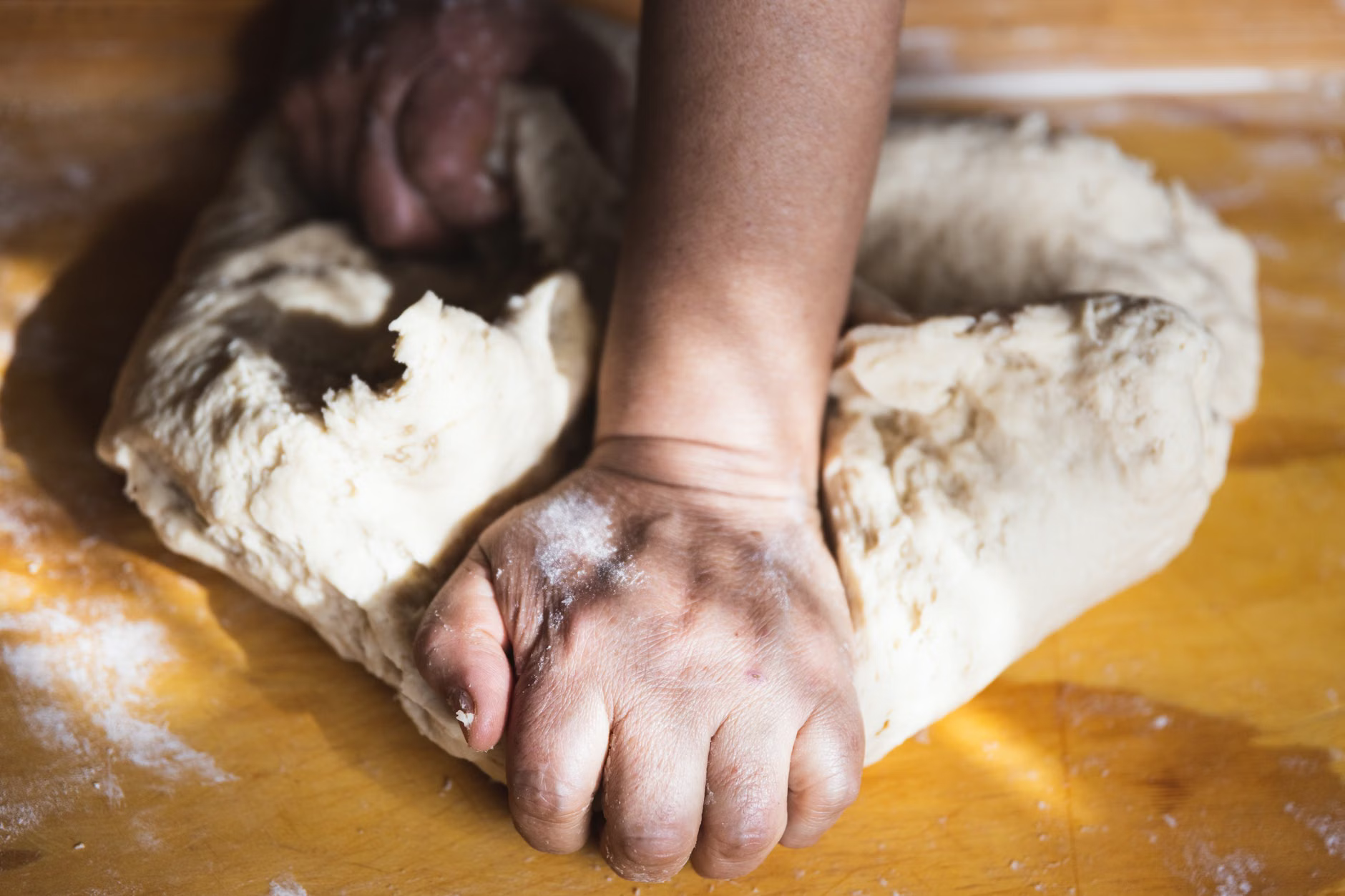
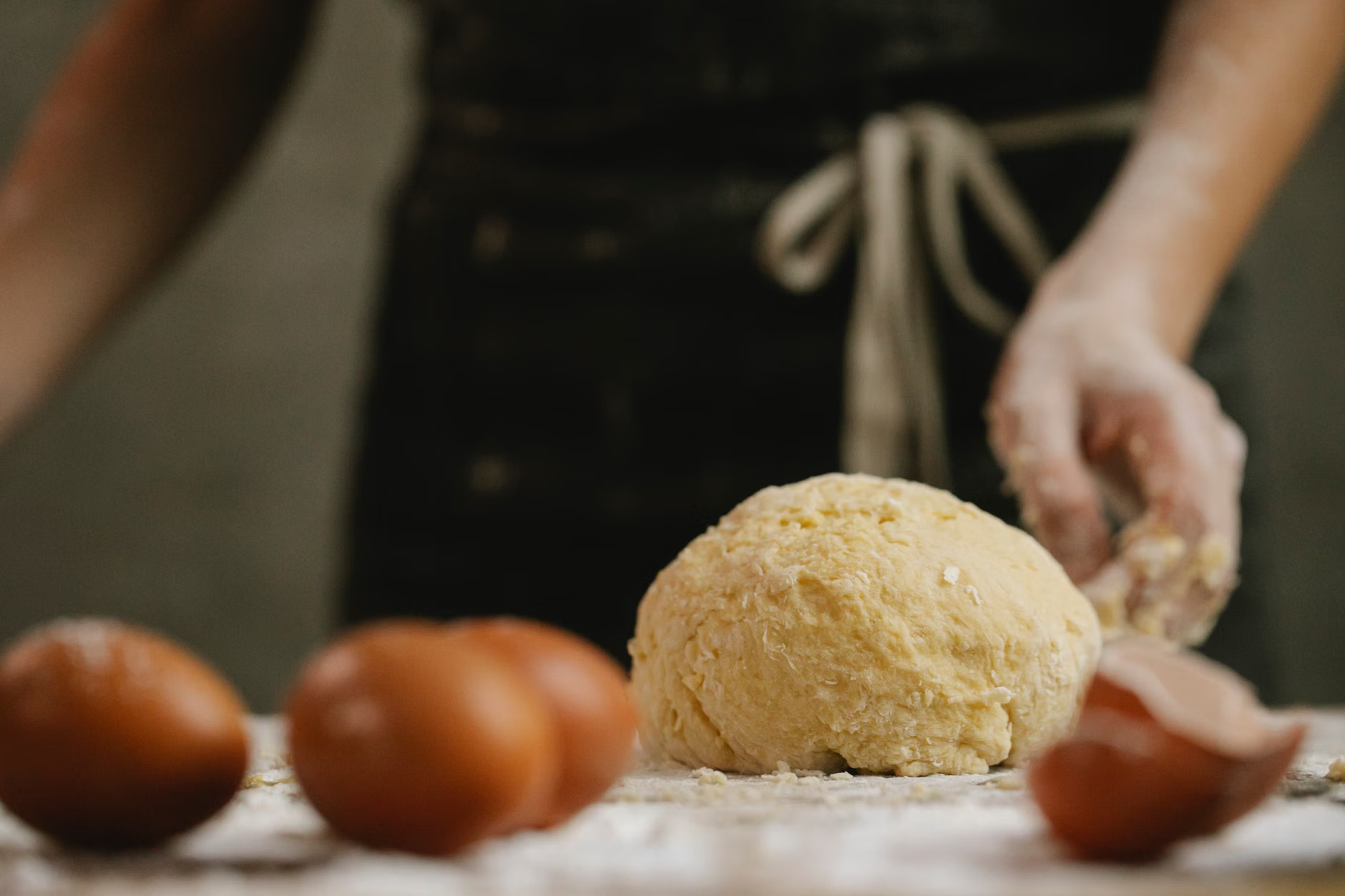
Once your flour is sorted, the real craft begins. There is a sacred ratio you need to memorize, and it's forgiving enough to allow improvisation once you get comfortable. The official ratio for fresh egg pasta is 100 grams of flour per whole egg, plus one extra yolk for every 200 grams. So for two servings, you'll weigh out 200 grams of flour, crack in two whole eggs, and add one yolk. This extra yolk adds richness and that beautiful golden color that screams gourmet.
Kneading matters more than most people realize. You want to work the dough for 8–10 minutes, pushing it with the heel of your palm, until it feels smooth and slightly tacky like a baby's skin. After that, wrap it tightly in plastic wrap and let it rest at room temperature for at least 30 minutes. This is non-negotiable—the gluten needs to relax, otherwise your dough will snap back when you try to roll it.
Now for the rolling ritual. This is where the three-pass technique comes into play. Start with your pasta machine on setting #1, feed the dough through, fold it into thirds, and run it through again. Do this three times at the same setting before moving to setting #2. Then work your way up to #6, doing three passes at each setting. By the time you reach #6, your dough should be roughly 1/16 inch thick, perfectly translucent and silky. This process develops elasticity and ensures even thickness, so your pasta cooks uniformly. It sounds fussy, but out here in LA, we appreciate craft—and it only takes about 15 minutes of active rolling.
Shaping Techniques: From Tagliatelle to Tortellini
Your sheet of dough is a blank canvas, and learning three or four basic shapes will give you endless variety. Let's start with the workhorse of the pasta world: tagliatelle. Use the fettuccine cutter on your machine, or if you're going old-school, hand-cut strips about 1/4 inch wide with a knife and a ruler. Stagger the strands on a floured baking sheet so they don't stick together. This shape handles everything from a simple lemon butter to a wild boar ragù.
For a more playful weekend project, make tortellini. Cut your dough into 2-inch circles using a cookie cutter or a floured glass. Place about 1 teaspoon of filling in the center—my favorite is ricotta mixed with lemon zest, a pinch of nutmeg, and parmesan. Lightly brush water around the edges, fold the circle into a half-moon, press out any air bubbles, then wrap the two corners around your index finger and overlap them to form a ring. It takes a few tries to look restaurant-quality, but the uneven, hand-formed ones are charming, and they cook in less than two minutes.
Don't be afraid to play with texture. A ridged gnocchi board will let you shape a simple cavatappi that curls like a corkscrew and catches chunky, LA-inspired ragùs packed with smoked pork or lamb shoulder. The ridges are practical engineering—they trap sauce in every crevice, so each bite is a little triumph. Practice makes permanent, as we say in the kitchen. Start with one shape, master it, then move to the next.
Regional Sauces and Seasonal Produce: The LA Twist
The real benefit of making pasta in LA is access to extraordinarily fresh, seasonal ingredients at their peak, and our city's multicultural ethos means you can take a traditional sauce and give it a Sunset Boulevard spin. In the spring, head to the McGrath Family Farms stall at the Santa Monica Farmers Market for their juicy, slightly tangy heirloom tomatoes. Don't buy them too early—what you want is dead-ripe and heavy. To make a rapid pommarola sauce, crush the tomatoes by hand, sauté some garlic in olive oil and about half a teaspoon of smoked paprika, then let it bubble for just 12 minutes until the juice thickens. Toss it with tagliatelle and a handful of minced basil.
Summertime brings those fragrant Meyer lemons from Arnold's Farms up in Malibu. Grate the zest directly into a lemon butter sauce with white wine and a little Calabrian chili paste for heat. Serve over long linguine with a shower of pecorino, and you'll have a dish that tastes like sunshine tempered by a sea breeze. It's bright, spicy, and completely LA.
And don't forget the city's genius for cross-cultural fusion. A classic Bolognese can become a chile-infused love child when you add toasted chipotle and smoked paprika to the meat base, along with a shot of dark beer or coffee that echoes the notes in mole sauce. Serve this over thick pappardelle, and you've got a bowl that tells a story about a town where Italian grandparents sit next to Mexican grandmothers and trade recipes. The result is a gourmet pasta recipes at home experience you can't get anywhere else in the world.
Your First Gourmet Pasta Night: A Step-by-Step Recipe
You're ready. It's Friday night, you've got your toolkit, a bag of heirloom flour, and a vision. Let's build a meal that will make your neighbors wonder if a chef moved in. Start with the ultimate test of pasta technique: Cacio e Pepe. This Roman classic needs only four ingredients—pasta, pecorino Romano, black pepper, and pasta water—but it demands precision. Cut your fresh pasta into thick spaghetti, cook it in well-salted water until al dente, then reserve a cup of the starchy water. In a skillet over medium heat, toast cracked black pepper in olive oil until fragrant. Add the pasta and a splash of water, then remove from heat and toss with finely grated pecorino, working quickly to form a creamy emulsion. The result is a glossy, fiery bowl that will make you forget every boxed spaghetti you've ever eaten.
Finish by tasting the pasta: it should be al dente with a slight bite. Toss in the cacio e pepe sauce, adding a splash of pasta water to emulsify. Serve immediately with an extra grind of pepper and a drizzle of olive oil. This is the dish that will turn your kitchen into the hottest pasta spot in LA.
Ready to go from weekend project to pasta pro? Join the DailyBites LA Pasta Club for step-by-step video tutorials and monthly seasonal recipes. Sign up at dailybitesla.com/pasta-club—your first pasta night starts now.