Forget fancy gadgets—great LA cooking comes down to technique. Master three restaurant-worthy recipes and shop like a local chef with our guide.
There’s a moment every home cook knows: you’re sitting at a polished wooden counter at n/naka, watching Chef Niki Nakayama plate a single, perfect bite of sea bass with chrysanthemum petals, and you think to yourself, “I could never do this.” Then the bill arrives—$150 before a single glass of sake—and the intimidation turns into something else: a quiet resolve to figure it out. Here’s the best-kept secret about gourmet recipes in Los Angeles: they’re not magic. They’re technique. And technique can be learned in your own kitchen, with a decent thermometer, a sharp knife, and a Saturday morning trip to the farmers market. You don’t need a culinary degree or a $2,000 induction burner to cook like the places that make us swoon. You just need the right guidance.
The Gourmet Myth: You Don't Need a Culinary Degree
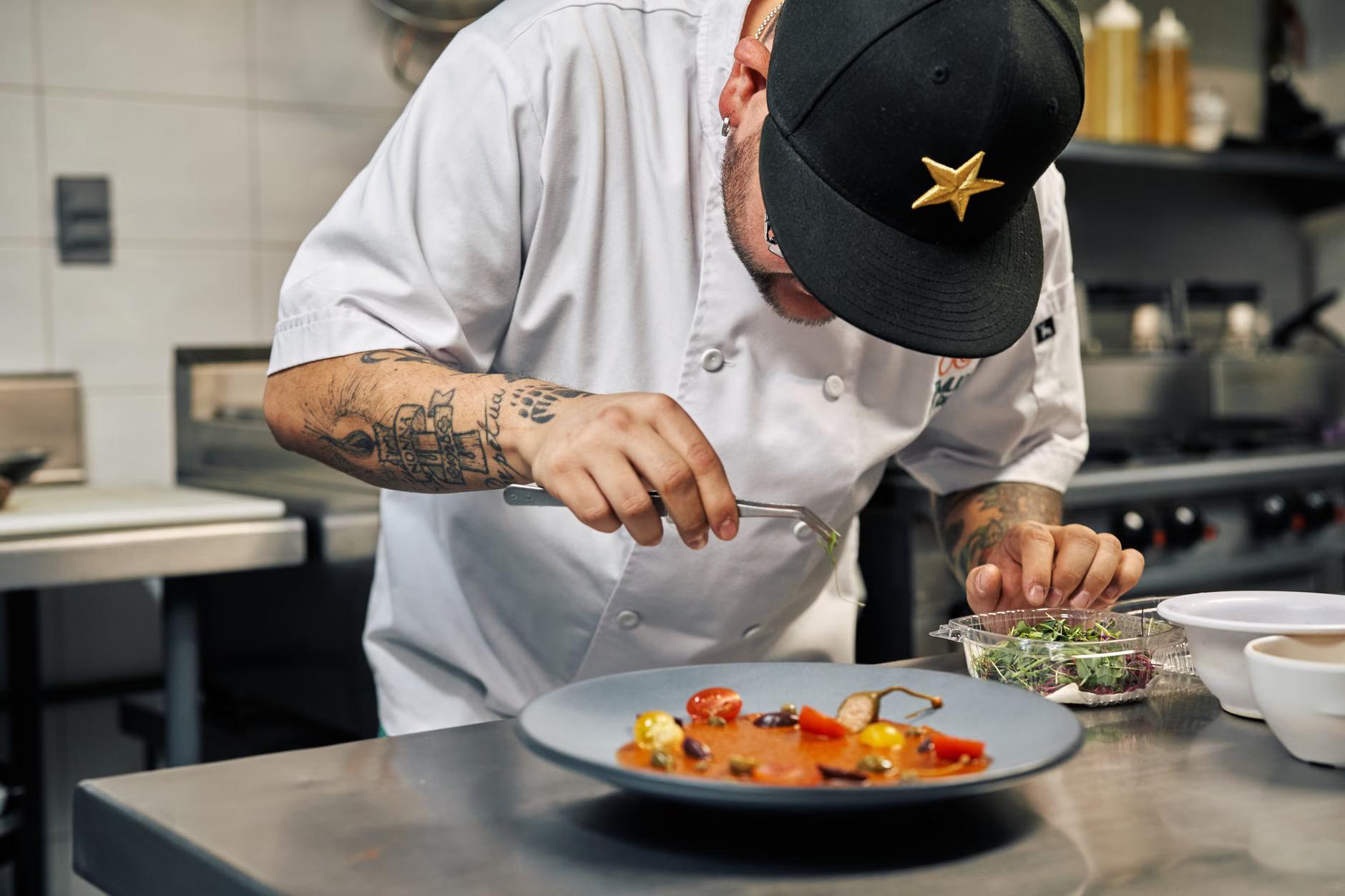
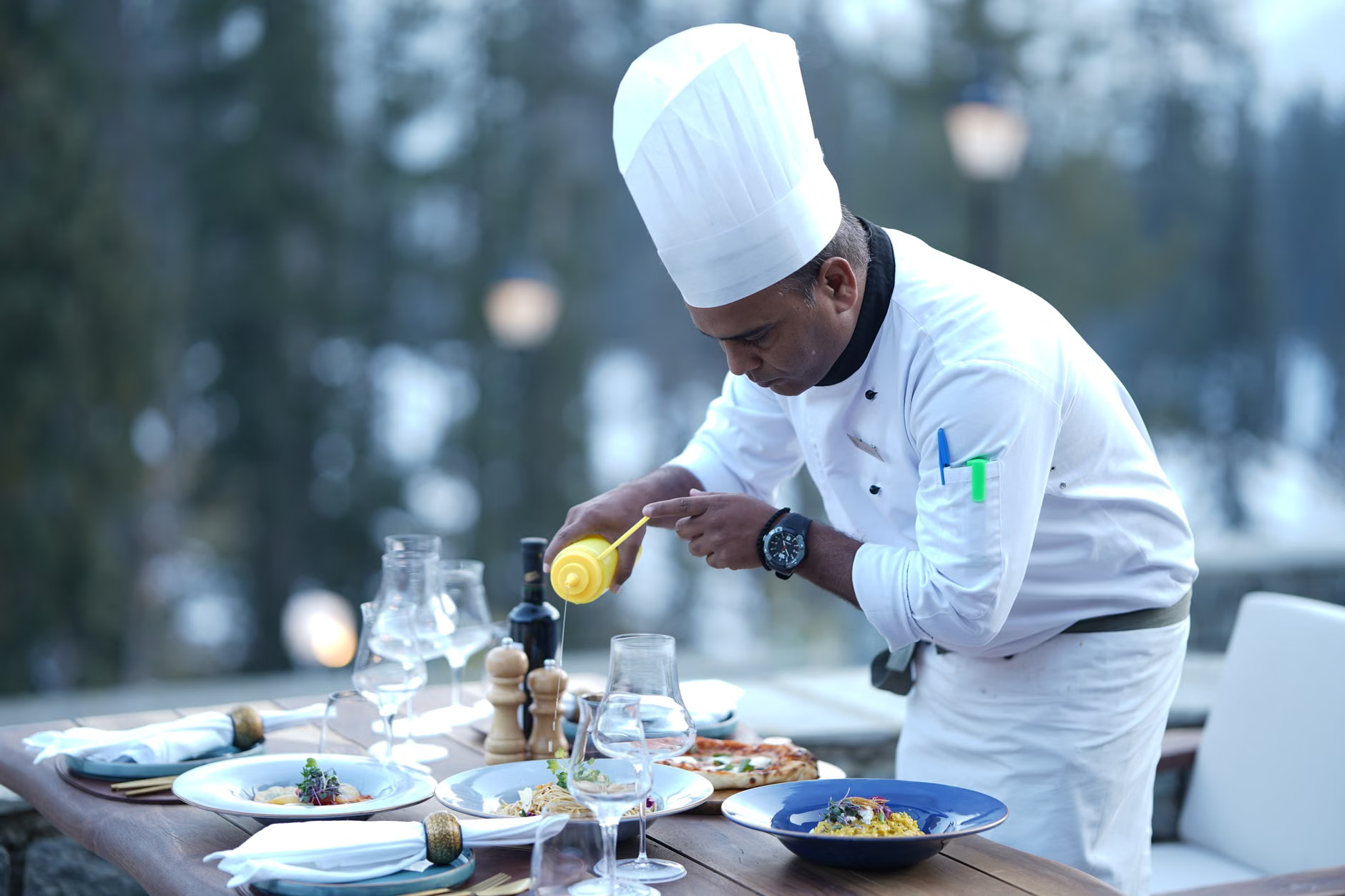
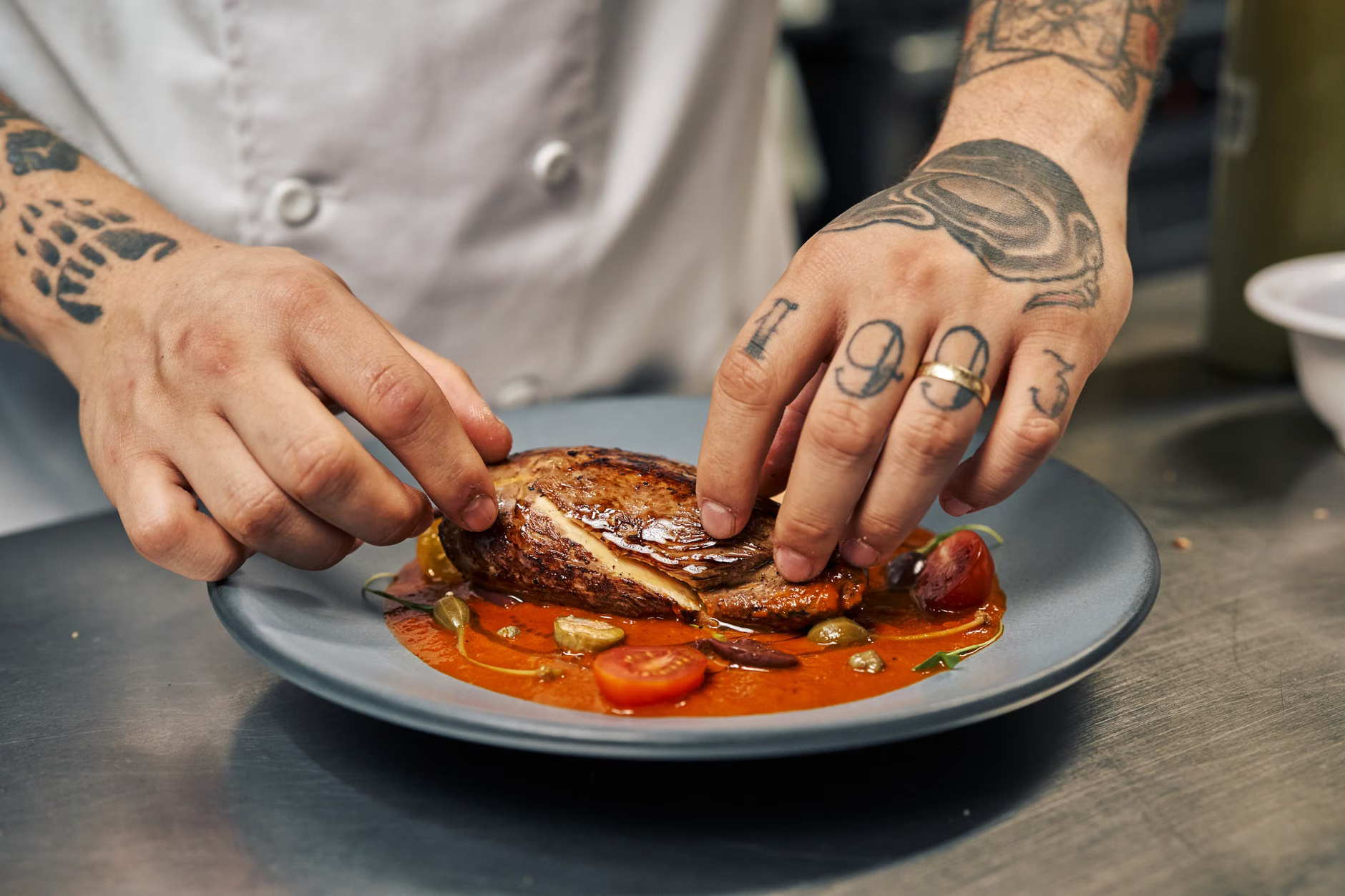
Walk into a tasting-menu temple like Vespertine in Culver City, where dinner runs $250-plus, and you’d be forgiven for believing that gourmet cooking requires some kind of alchemy reserved for the chosen few. But the science of flavor is far more democratic than that. A 2023 survey by the International Culinary Center found that 85% of gourmet cooking comes down to mastering basic home chef techniques—searing, braising, seasoning, and knowing when to stop touching your food. Not expensive gadgets. Not a French apprenticeship. Just deliberate practice.
Los Angeles is full of proof. Nancy Silverton, the legendary chef behind Pizzeria Mozza and Osteria Mozza, didn’t graduate from Le Cordon Bleu overnight. She started as a home baker, feeding friends from her apartment oven, and her first book, Nancy Silverton’s Pastries from the La Brea Bakery, was written specifically to teach home cooks professional methods with accessible recipes. If the woman who almost single-handedly made sourdough a Los Angeles obsession began at a residential stove, the barrier to entry is lower than you think.
So when you’re scrolling Instagram and feeling inferior to a cloud of Parmigiano foam, remember: the restaurant advantage is mostly mise en place and muscle memory. You can build both at home, one Saturday at a time.
Must-Have Gear for the Home Chef
You don’t need a $10,000 Viking range to make a perfect sear. You need a pan that holds heat, a knife that doesn’t crush your tomato, and a way to know when your chicken is actually done. That’s the core toolkit, and it’s cheaper than a single tasting menu.
The two purchases that will transform your cooking more than any others are a good knife and a reliable digital thermometer. Uneven cuts and overcooked proteins are the two most common gourmet failures in a home kitchen, and honestly, they’re both completely preventable. A dull knife turns a shallot into a bruised mess; a thermometer takes the guesswork out of that pork chop and completely eliminates “is it done? I’ll just cook it one more minute” anxiety.
- Digital meat thermometer ($20)—Instant-read models from ThermoPop or Oxo are accurate, and they’ll save you from eating chalky scallops or dry chicken breast.
- 8-inch chef’s knife—Victorinox Fibrox ($50)—This is the knife that punches way above its price. It’s sharp out of the box, easy to hone, and won’t break the bank like a $300 Japanese Gyuto.
- 10-inch skillet—All-Clad stainless steel ($119) gives you that beautiful golden crust that begs for a pan sauce. If you’re on a budget, a Lodge cast-iron skillet ($30) performs almost identically once you learn to manage heat.
- Dutch oven—A Le Creuset ($350) is the luxury icon, but Lodge enameled cast iron ($60) braises short ribs just as tender. This is your one-pot ticket to slow-cooked comfort.
- Blender—A Vitamix ($450) will make soups and sauces undeniably velvet, but a $40 Oster will absolutely get you through a batch of roasted tomato soup or a green cilantro sauce without shame.
Buy the knife and thermometer first. Everything else can wait until you’ve made a dozen dinners and developed actual opinions about what you need.
Shop Like a Local: LA Farmers Market Cooking
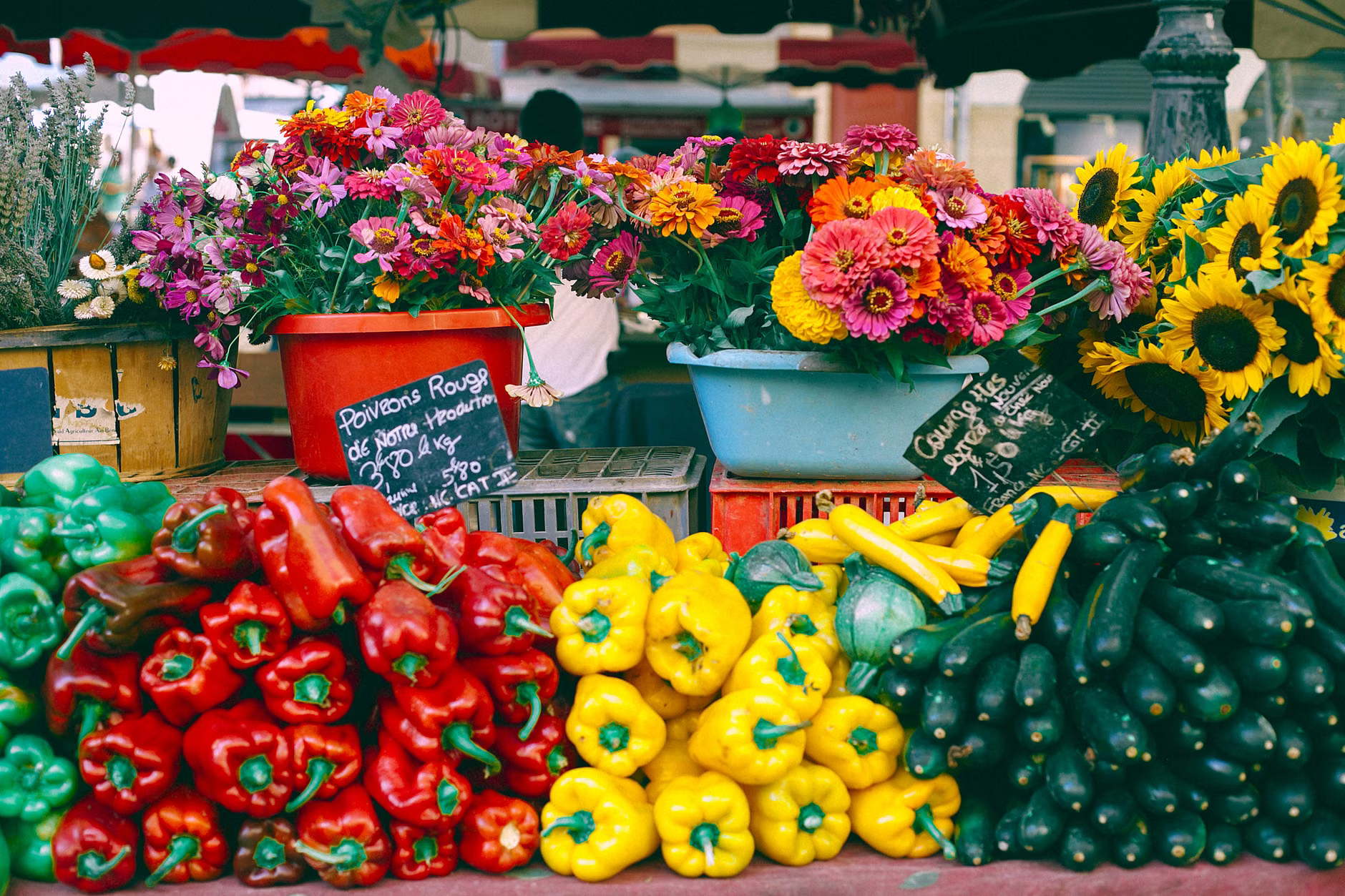
Here’s the thing that separates okay home cooking from genuinely great home cooking: ingredient quality. And in Los Angeles, you have no excuse to buy a pale, out-of-season tomato from a fluorescent grocery store aisle. The city has one of the best farmers market networks in the country, and it runs every single day of the week.
The gold standard is the Santa Monica Farmers Market on Wednesdays (8:30 a.m. to 1:30 p.m.). Chefs like Suzanne Goin (of AOC and Lucques fame) and even visiting international talents like Gabrielle Hamilton have been known to source heirloom tomatoes, baby fennel, and organic stone fruit from the same vendors who smile and hand you a free sample. It’s not just shopping; it’s a crash course in seasonality. If you want to understand what thyme is supposed to smell like, this is the place.
On the other side of town, the Hollywood Farmers Market on Sundays (8 a.m. to 1 p.m.) packs in more than 100 vendors, including specialty mushroom growers like LA Fungus Growers, who sell shiitake and lion’s mane that will ruin you for the cremini in your fridge. Tiny Farms brings trays of living microgreens that taste like a garden in salad form. One visit here and you’ll understand why “farm to table” isn’t a trend—it’s a lifestyle.
- Santa Monica Farmers Market — Wednesdays, 8:30 a.m. to 1:30 p.m. The gold standard for heirloom tomatoes and chef sightings.
- Hollywood Farmers Market — Sundays, 8 a.m. to 1 p.m. Over 100 vendors, including mushroom specialists and microgreen growers.
- Torrance Farmers Market — Saturdays, 8 a.m. to 1 p.m. A local favorite for organic citrus and artisanal breads.
Seasonality is the secret weapon of LA farmers market cooking. In spring, grab fava beans and ramps to sauté into a simple pasta. In summer, white nectarines and corn from Murray Family Farms become your dessert and your side dish. Winter is citrus season, when Meyer lemons from Ojai make everything from salad dressing to cocktail hour taste like sunshine.
And about cost: a 2024 LA Times comparison found that farmers market produce runs about 30% cheaper than Whole Foods on average. You can walk away with $25 to $40 worth of gorgeous, seasonal produce and eat like royalty all week.
Three Gourmet Recipes to Start Your Journey
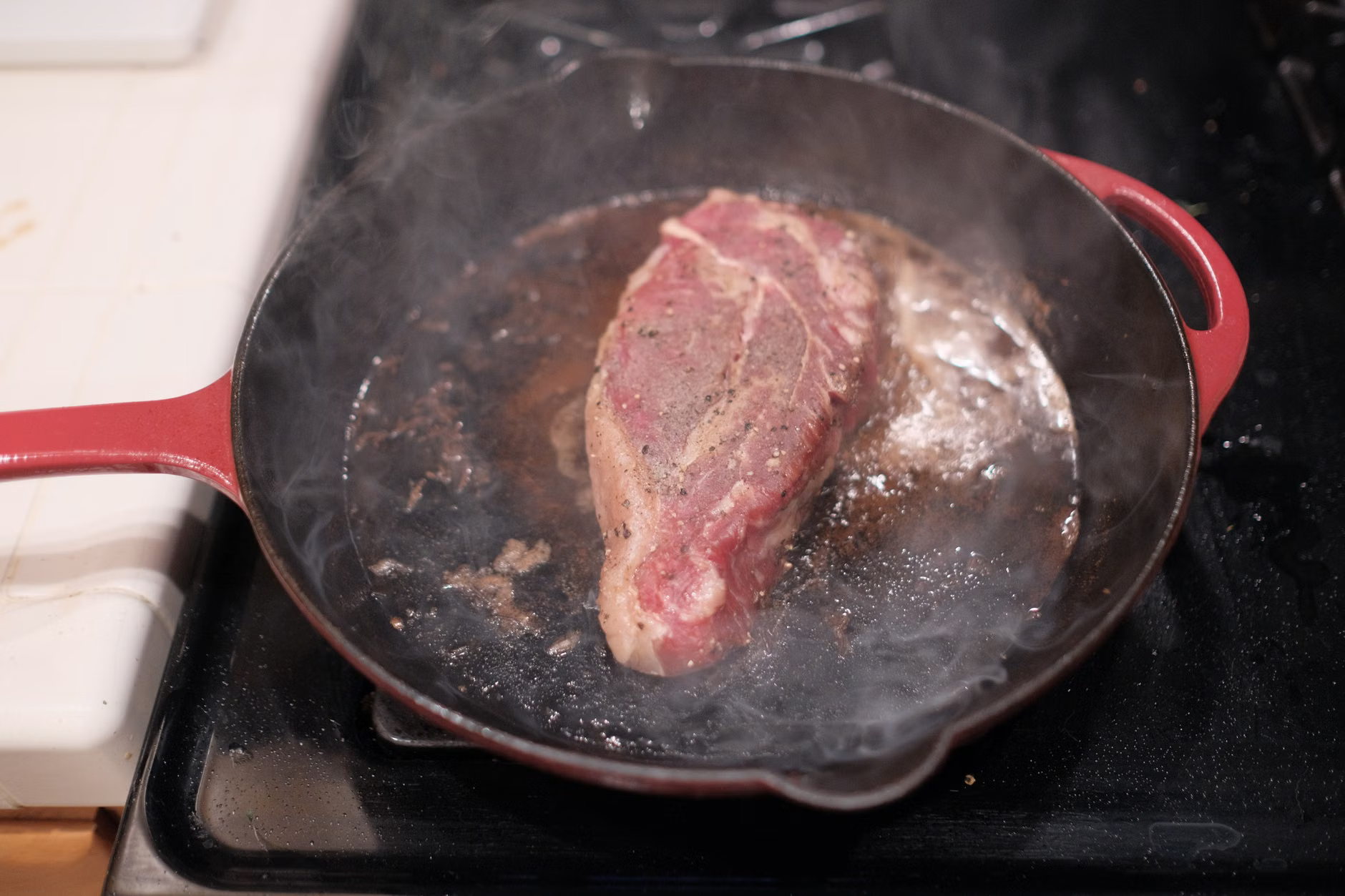
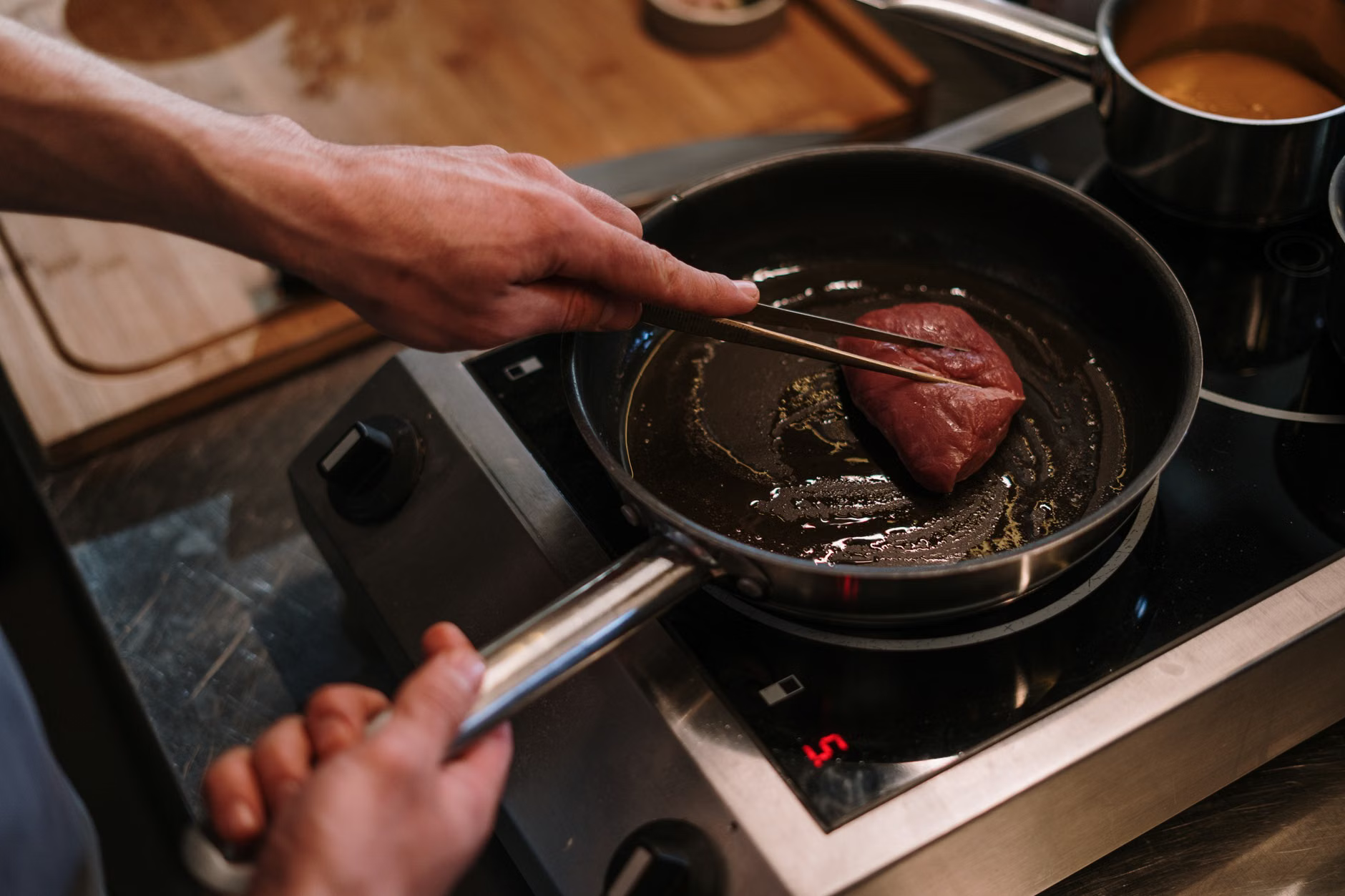
Let’s get cooking. These three dishes are designed for the home cook who wants to look like they’ve been trained in a restaurant kitchen. Each one takes under 30 minutes of active prep, but the results are restaurant-worthy in under 30 minutes of prep. Start with one, then brag to your friends.
Sous Vide Chicken Thighs with Chimichurri
This is the ultimate entry point into sous vide for beginners. You pick up an Anova precision cooker for about $100, seal up some chicken thighs with salt and olive oil, and let the water bath do the heavy lifting. At 165°F for 1.5 hours, the meat emerges impossibly juicy—then you sear it in a cast iron skillet for two minutes per side to get that crackly skin. The chimichurri is a food processor chaos that takes five minutes: parsley, garlic, jalapeño, olive oil, and red wine vinegar. The sauce is so bright and verdant it feels like a chef’s handiwork.
Pan-Seared Scallops with Brown Butter and Lemon
Dry scallops are the key. Not “wet” scallops that sit in chemical brine—you want U10 dry scallops from Santa Monica Seafood, about $25 a pound. Pat them completely dry (this is non-negotiable for that golden crust). Heat your pan until it’s ripping hot, add the scallops, and don’t touch them for two minutes. Flip, cook another minute and a half, then throw in 3 tablespoons of unsalted butter, a squeeze of Meyer lemon from the winter market, and fresh thyme. Spoon that brown butter over the top while it’s still bubbling. This is the dish that makes guests go silent.
Wild Mushroom Risotto with Parmesan
You can buy a 12-ounce mix of shiitake, oyster, and porcini for $18 at Mushroom Adventure in Hollywood, and you will never look at a store-bought mushroom the same way again. Sauté them in olive oil until they’re deeply browned and fragrant. Then add arborio rice, toast it for a minute, pour in one cup of dry white wine, and start ladling in four cups of homemade chicken stock. Stir for 18 minutes until the rice is creamy but still has some bite. Finish with a generous pile of grated Parmesan and a knob of butter. It’s comforting, elegant, and simple enough for a Tuesday.
Wine Pairing Secrets from an LA Sommelier
You’ve cooked like a professional; now pour like one. Taylor Grant, the sommelier at the stylish LA wine bar Bar and Garden, has a straightforward philosophy: match the body of the wine to the weight of the dish, not the color of the meat. That means a light red like Pinot Noir can dance beautifully with salmon or a mushroom risotto, while a rich, oily fish gets a crisp, mineral-driven white.
For buttery dishes like the brown butter scallops, Grant reaches for a classic Chablis—try Domaine William Fèvre at around $35, with its signature steely acidity cutting right through the richness. For the herbaceous, garlicky chimichurri, grab a Chilean Sauvignon Blanc from Veramonte for about $18. It mirrors the green, bright flavors of parsley and jalapeño, creating a pairing that feels intentional rather than accidental.
Want to get even more local? Visit Silverlake Wine or Domaine LA on a weekend and sign up for a $15 to $25 tasting flight.
Now it’s your turn. Pick one recipe, hit the Santa Monica Farmers Market this Wednesday, and cook with confidence. Share your results with us at @DailyBitesLA—we can’t wait to see what you make.