LA's chef's tables offer 15-course, three-hour culinary performances at spots like n/naka, Hayato, and Providence. Here's what to expect, how to book, and what it costs.
At Los Angeles’ best chef’s tables, there’s a moment when the course arrives with a story, the plating is precision architecture, and the first bite changes how you think about flavor. LA has become the country’s most compelling stage for this kind of culinary theater—not just restaurants with tasting menus, but full chef-driven performances where the counter is the best seat in the house. From the 15-course Modern Kaiseki at n/naka to the seven-seat seasonal Japanese counter at Hayato, these are immersive, three-hour journeys with chefs narrating, plating, and adjusting in real time. If you’re ready to trade your usual ordering routine for an unforgettable multi-hour splurge, this guide shows you exactly where to go, what to pay, and how to get a table—starting with reservations that open at 10 AM on the first of the month.
Beyond the Menu: Why LA's Chef's Tables Are a Different Beast
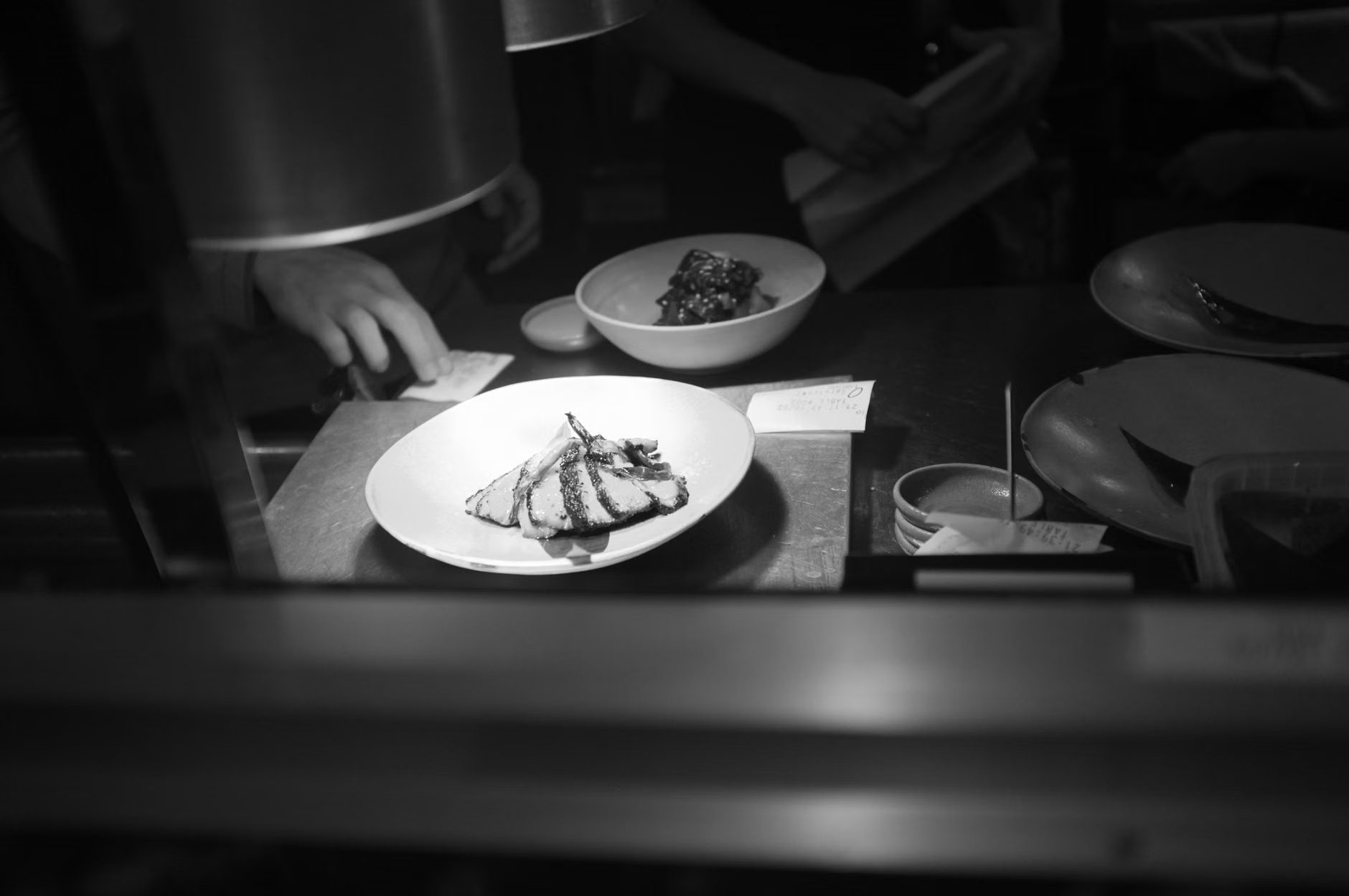
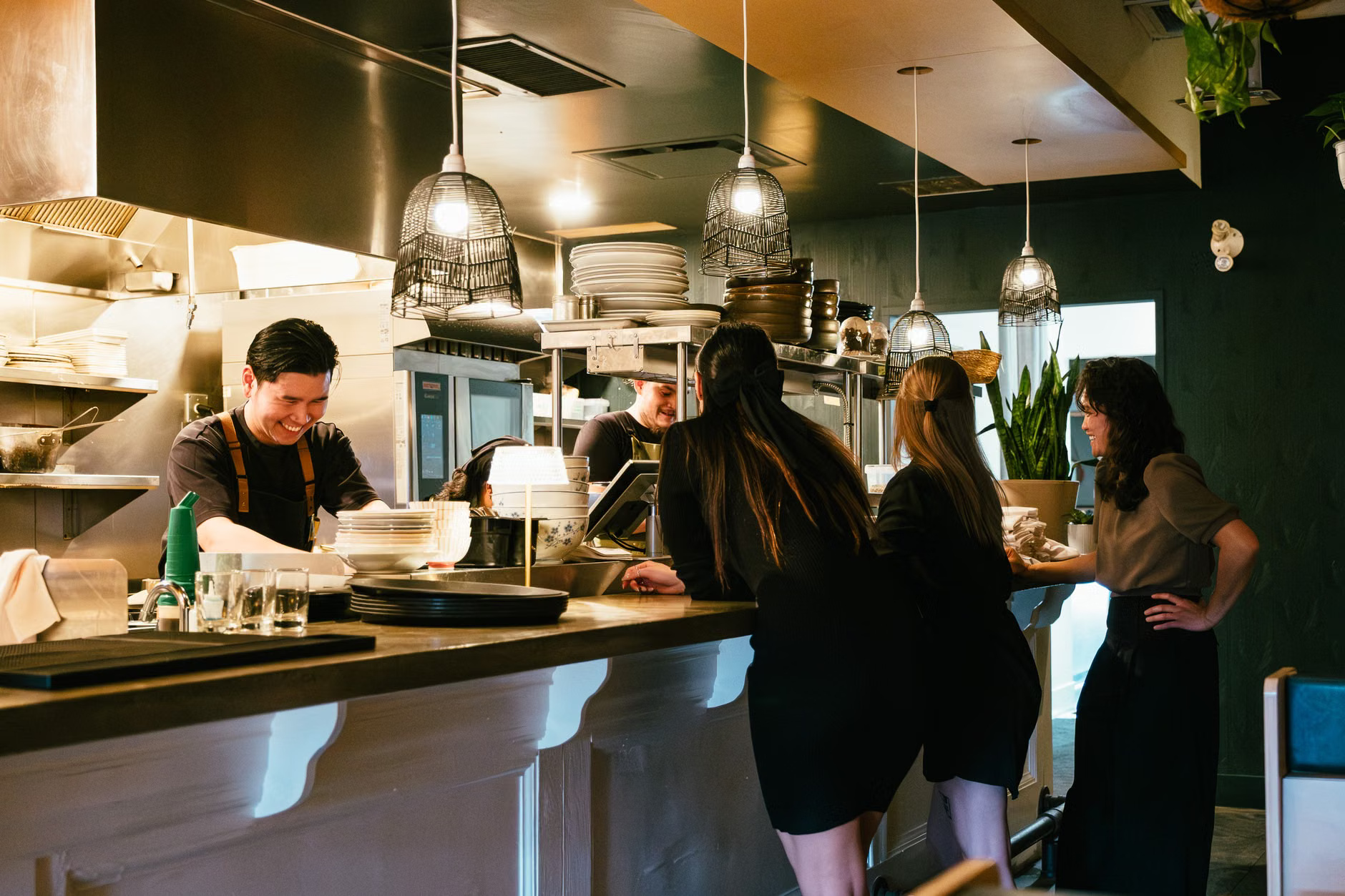
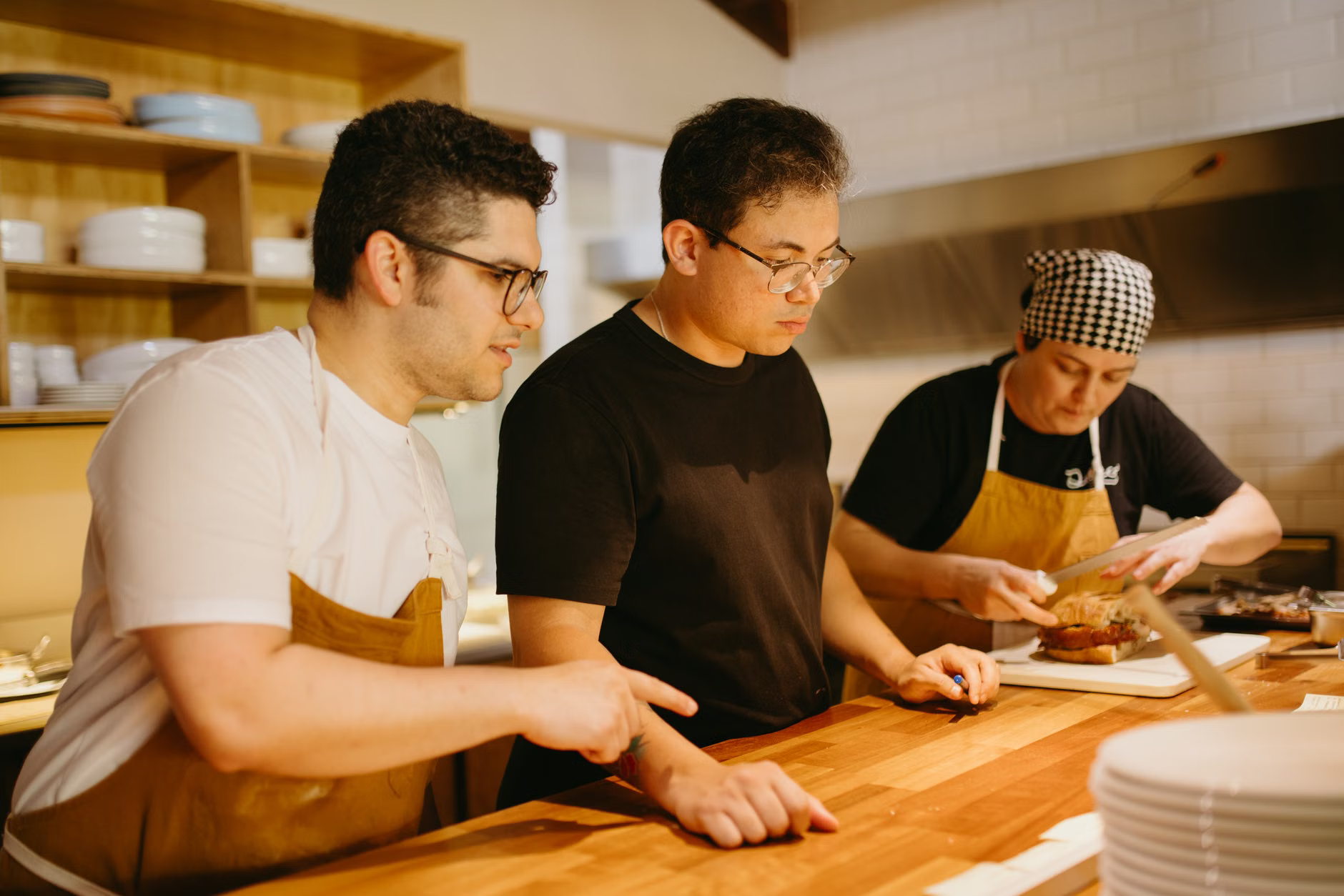
Let’s get this clear: a chef’s table in Los Angeles is not the same as a prix-fixe menu at your neighborhood bistro. This is an immersive, multi-hour event that demands patience, curiosity, and a willingness to surrender control. Instead of scanning a menu and choosing, you sit at a counter—often marble, always intimate—and let the kitchen decide. The chefs work inches from you, explaining each plate, adjusting seasoning, and delivering what feels less like a meal and more like a live performance.
The numbers alone separate these experiences from regular fine dining. At n/naka, the two-Michelin-starred temple of modern kaiseki in Culver City, only 14 diners are seated at the counter per service. Reservations don’t just fill up—they evaporate within minutes of release. The price of admission runs from $185 to $350 per person before wine pairings, and the full arc often lasts over three hours. For comparison, a standard tasting menu at a nice restaurant might run seven courses in two hours flat. Chef’s tables in LA slow down time on purpose.
The real distinction is interaction. In traditional fine dining, your server might describe a dish from a script. At a chef’s table, the sous-chef hands you a plate and tells you where the abalone was harvested, why the kombu is aged, and how the sauce was made from a single roasted pepper. You watch the kitchen work under pressure, and you become part of the flow. It’s not unusual to see the chef adjust a plate after glancing at your reaction. That level of responsiveness is the entire point.
The Pioneers: These Restaurants Put Tasting Menus on the LA Map
Before LA became a destination for tasting-menu pilgrims, a few restaurants laid the groundwork. They didn’t just serve multiple courses; they invented the rules of engagement for the modern chef’s counter.
Spago: The Original California-French Counter
Wolfgang Puck’s Spago first brought the chef’s counter concept to Los Angeles back in the 1980s. While Puck didn’t invent the tasting menu, he blended French technique with bright California ingredients in a way that felt electric and new. The counter at Spago became a front-row seat for celebrity spotting and serious cooking alike. Today, the restaurant continues to offer tasting experiences, but its historical weight remains: this is where LA learned that dinner could be a show.
Providence: Sustainable Seafood, Elevated
When Michael Cimarusti opened Providence in 2005, he brought a New England fisherman’s reverence for the ocean to a city that was still obsessed with steak and sushi. The ‘Chef’s Tasting’ menu here is a masterclass in sustainable seafood, with courses that shift nightly based on what came off the boat. Cimarusti’s counter seats just a handful of guests, and watching him plate a glistening piece of wild king salmon with micro-herbs feels like watching a painter in his studio. Providence helped legitimize the idea that a tasting menu could be both luxurious and environmentally thoughtful.
n/naka: Kaiseki, Reimagined in Los Angeles
Niki Nakayama didn’t just change LA dining; she changed how Americans understand Japanese kaiseki. At n/naka, the modern kaiseki menu is a seasonal narrative that balances temperature, texture, color, and umami with astonishing precision. Nakayama’s attention to detail—right down to the hand-carved ceramic bowls—turned a small Culver City space into an international pilgrimage site. The Netflix series “Chef’s Table” made her famous, but the reservation system remains brutally competitive. Her 15-course Modern Kaiseki is the standard against which every other LA tasting menu is judged.
Hayato: Seven Seats, One Perfect Night
Brandon Hayato Go opened his DTLA counter in 2017 with a simple, radical philosophy: one seating, one menu, no options. Hayato has just seven seats, and guests are expected to arrive on time and stay for the full 2.5-hour experience. The seasonal Japanese kaiseki is meticulous, restrained, and deeply personal. Go sources many ingredients directly from producers in Japan, and the meal unfolds with a quiet rhythm that feels meditative. If n/naka is the superstar, Hayato is the poet—smaller, more intimate, and just as unforgettable.
What to Expect: Price, Duration, and Course Counts
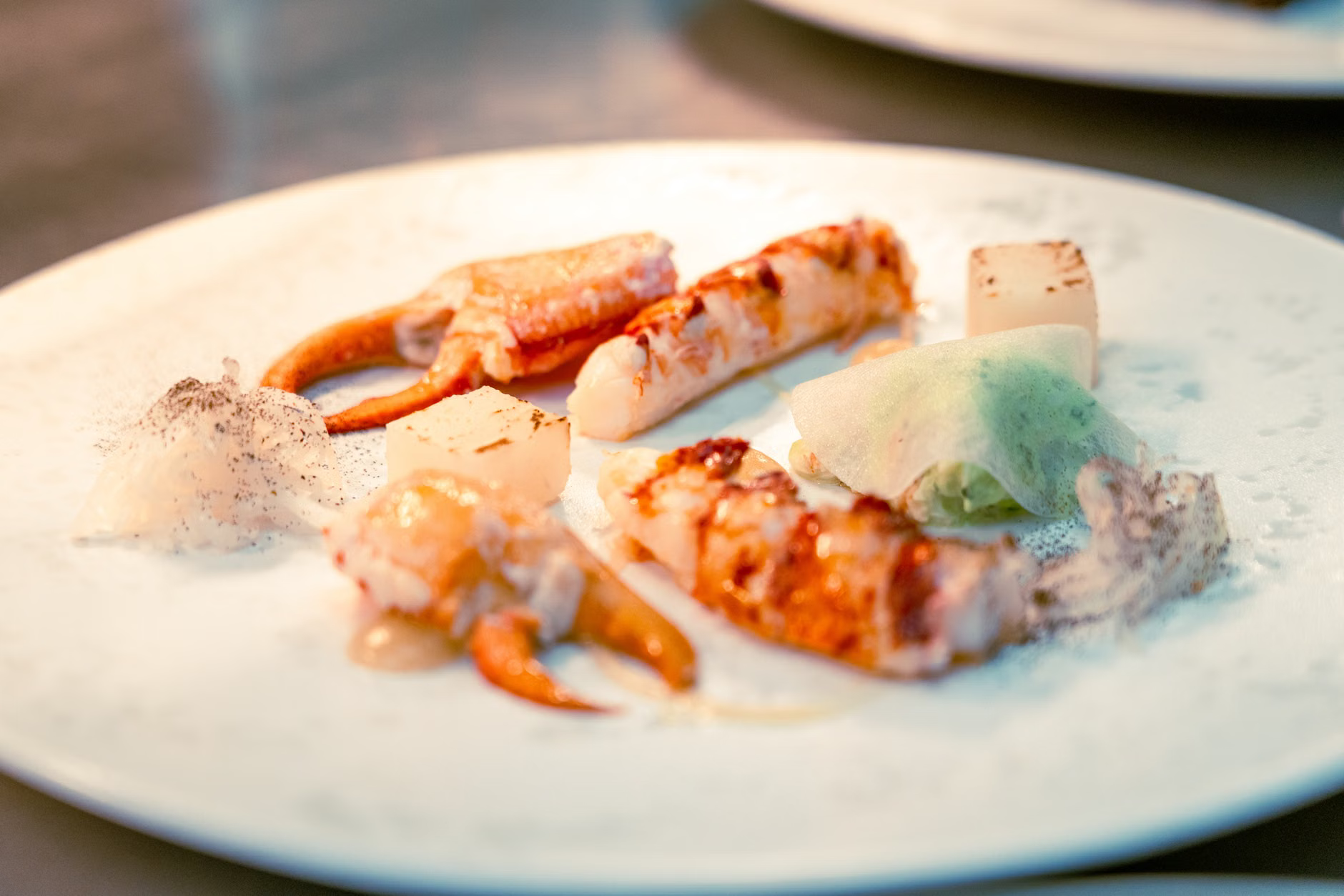
Before you book, you need a realistic picture of cost and time. These aren’t quick dinners; they’re commitments. Here’s what the current landscape looks like at the city’s top counters.
- n/naka – Modern Kaiseki: $350 per person, about 15 courses, with an optional sake pairing for $150. Reservations via Tock require a credit card and strict cancellation policies.
- Hayato – Seasonal Kaiseki: $195 per person for a single set menu. Guests receive a hand-written menu card, and the meal runs about 2.5 hours. Only one seating per night.
- Providence – Chef’s Tasting: $225 per person for 12–15 courses, with supplemental charges for luxuries like A5 wagyu or white truffle. The counter experience feels more relaxed but equally precise.
- Morihiro – Omakase: Around $200 per person for a sushi-centered tasting led by the always-gentle Morihiro Onodera. A newer, more accessible entry point for chef's table newcomers.
Don’t forget the extras. Most tasting menus do not include gratuity, and 20% is standard. Add a wine or sake pairing and you’ll realistically spend $400–$600 per person by the end of the night. For special occasions—anniversaries, milestone birthdays, or a huge career win—it’s worth it. Just go in with your eyes open and your credit card ready.
How to Score a Reservation at the Most Exclusive Tables
The hardest part of the entire experience isn’t the meal—it’s getting the booking. If you’ve ever tried to land a Saturday at n/naka, you know the drill: refresh, wait, watch the slots vanish. But there are strategies, and they work.
- Use Tock and Resy like a pro: n/naka releases reservations on the first of the month at 10 AM for the following month. Hayato does the same. Create your account early, save your payment information, and be logged in before 10 AM.
- Set multiple alarms: Don’t trust yourself to remember. Use a phone alarm with a label like “n/naka TOCK NOW” so you don’t lose track while brushing your teeth.
- Be flexible with dates: Tuesday and Wednesday seatings are far easier to secure than Friday or Saturday. If you can celebrate on an off night, you’ll have a much better chance.
- Watch for cancellations: Follow the restaurants on Instagram and join their email lists. Last-minute seats often open 24 to 48 hours before service, and they’re usually announced quietly.
- Plan around the cancellation policy: Most require 48 to 72 hours’ notice. If your plans change, cancel early—otherwise, you’ll be charged the full price.
The rules are strict, but they exist for a reason. With seven or fourteen seats at stake, every no-show is a devastating loss for the restaurant and for another guest who would have died to be there. Treat your reservation like a concert ticket, and you’ll be fine.
The Dress Code and Etiquette: Insider Tips for First-Timers
Walking into your first chef’s table can feel intimidating. The room is quiet, the knives are gleaming, and everyone seems to know exactly which fork to use. Relax—here’s the code.
- Dress smart casual: At n/naka, that means no shorts or beachwear. At Providence, a jacket is recommended for men in the dining room. You don’t need black tie, but you should look like you’re celebrating something.
- Arrive fifteen minutes early: Counter seatings start at the same for everyone. If you arrive late, you miss courses. Yes, really.
- Don’t ask for substitutions: The menu is a composition. Instead, message the restaurant about allergies or dietary restrictions when you book. Chefs will adapt—they just want to know in advance.
- Photography rules: You can take pictures at most counters, but never use flash and never snap during a chef’s explanation. Put the phone down when they’re talking. It’s a matter of respect.
- Pace yourself: These meals are marathons. Don’t finish every piece of bread before course four. Sip water, sip wine, and let the kitchen set the rhythm.
Etiquette isn’t about being perfect; it’s about being present. The chefs at these counters are sharing something deeply personal. Match their focus with your attention, and you’ll have a better meal, guaranteed.
Ready to Splurge? Book Your Top-Table Experience
This isn’t just dinner. It’s a memory you’ll replay for years—the way the smoke from a sake pairing curled upward, the exact texture of a piece of A5 wagyu, the moment you made eye contact with a chef who just handed you a plate that tasted like the ocean. Los Angeles is home to some of the most ambitious tasting menus in the world, and you live in or near a city that offers them.
Start small if you need to. A lunch tasting at Providence runs $145 and gives you the same counter experience at a lower entry point. Morihiro’s omakase at $200 is a stellar first step into the chef’s table world. Then, when you’re ready, go big: book n/naka for a birthday, Hayato for an anniversary, or Providence for a night you never want to forget.
Take action now. Create your Tock and Resy accounts, set your calendar reminders for release dates, and start saving for the bill with wine pairings. And don’t forget holiday seating—some restaurants release special New Year’s Eve tasting menus that book up six months in advance. The tables are waiting. All you have to do is show up.