Recreate LA's best seafood dishes at home with local sourcing, pro techniques, and three chef-inspired recipes. Your kitchen is the new hotspot.
There's a moment every Angeleno knows: you're sitting at a candlelit table in Venice or Santa Monica, the Pacific breeze drifting through an open window, and a plate of miso-glazed black cod arrives that's so silky, so perfectly caramelized, you almost want to cry. Then the check comes, and reality hits — $48 later, you're still hungry. But here's the secret I've learned from a decade of covering LA's finest chefs: that cod, that octopus, that halibut — they all started at the same fish markets you can visit on a Saturday morning. With the right sourcing and a few professional techniques, you can absolutely recreate that coastal magic at home. This is your guide to cooking gourmet seafood in your own kitchen, using the bounty our city is so lucky to sit beside.
Bring the California Coast to Your Kitchen
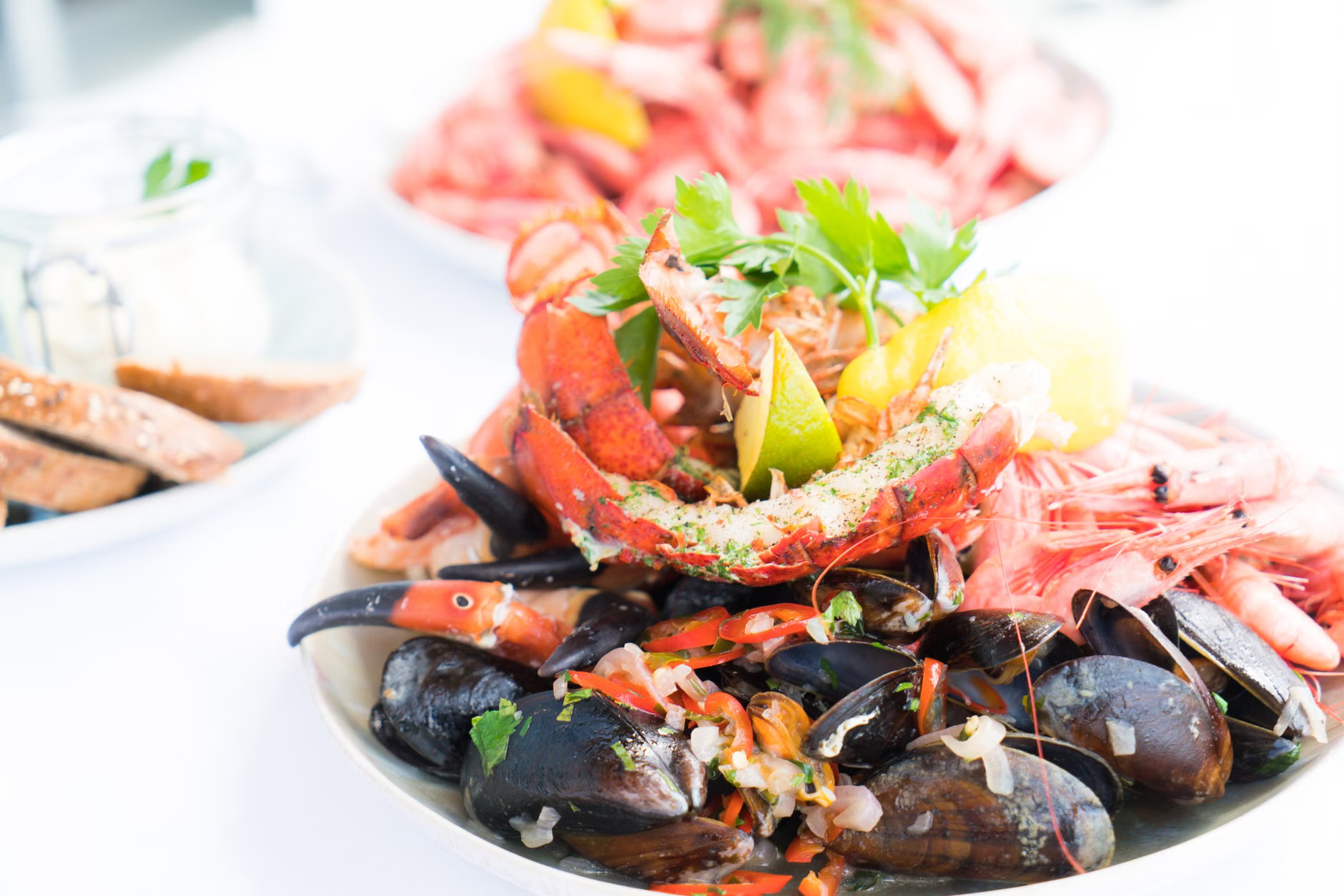
Los Angeles occupies one of the most privileged positions in the culinary world: we're hours from some of the richest fishing grounds on the planet. The cold Pacific currents that run past our coastline bring us pristine halibut, spot prawns, black cod, and rockfish that land on docks within hours of being caught. And unlike chefs in landlocked cities who settle for frozen imports, you can walk into Santa Monica Seafood on Lincoln Boulevard and buy fish that was swimming yesterday. That proximity changes everything — including what you can accomplish at home.
Before you start shopping, though, you need to think like a chef. The difference between a restaurant-worthy fillet and a sad, rubbery disaster isn't just the fish — it's the equipment. You don't need a commercial kitchen, but you do need the right three tools. First, a fish spatula: that long, slotted, angled stainless steel spatula that looks like it belongs in a sushi bar. Its thin edge slides under delicate fillets without breaking them, and the slots let excess oil drain away. Second, an instant-read thermometer — guessing doneness by touch is how home cooks overcook a $40 piece of fish. And third, a cast-iron skillet that's properly seasoned. It holds heat like a restaurant flattop, which is essential for that golden-brown crust.
When you're selecting fish at the market, aim for sustainable, local catches. Here's a quick cheat sheet:
- Local halibut — look for Pacific halibut, which is firm, flaky, and forgiving for home cooks.
- Spot prawns — LA's sweetest, most underrated shellfish; they're a delicacy out of season but a steal when available.
- Black cod — technically sablefish, this rich, buttery fish is the star of so many high-end menus.
- Oysters — from Santa Barbara or Tomales Bay, ask your fishmonger for what's freshest that day.
Where to Source Premium Seafood in LA
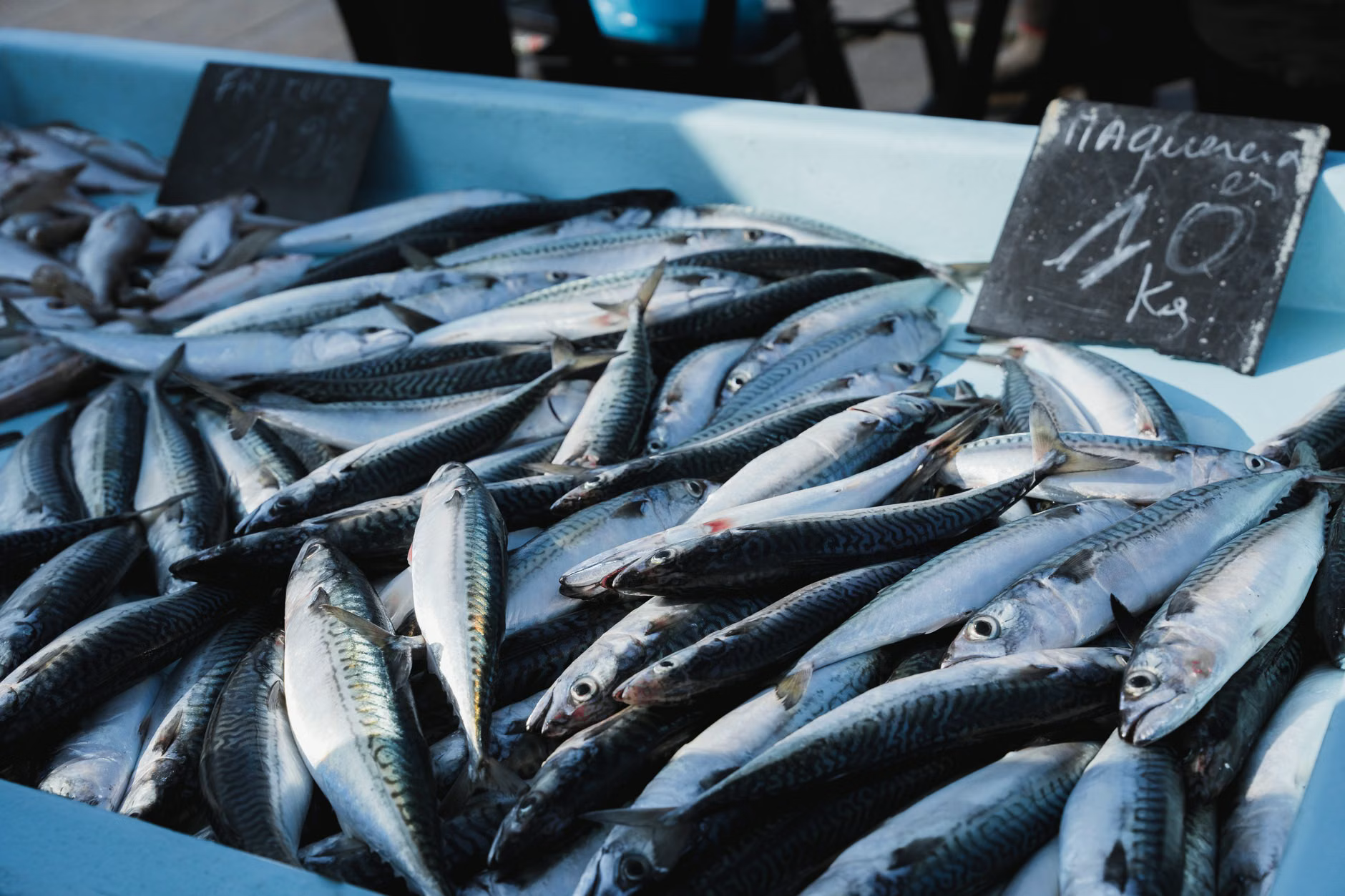
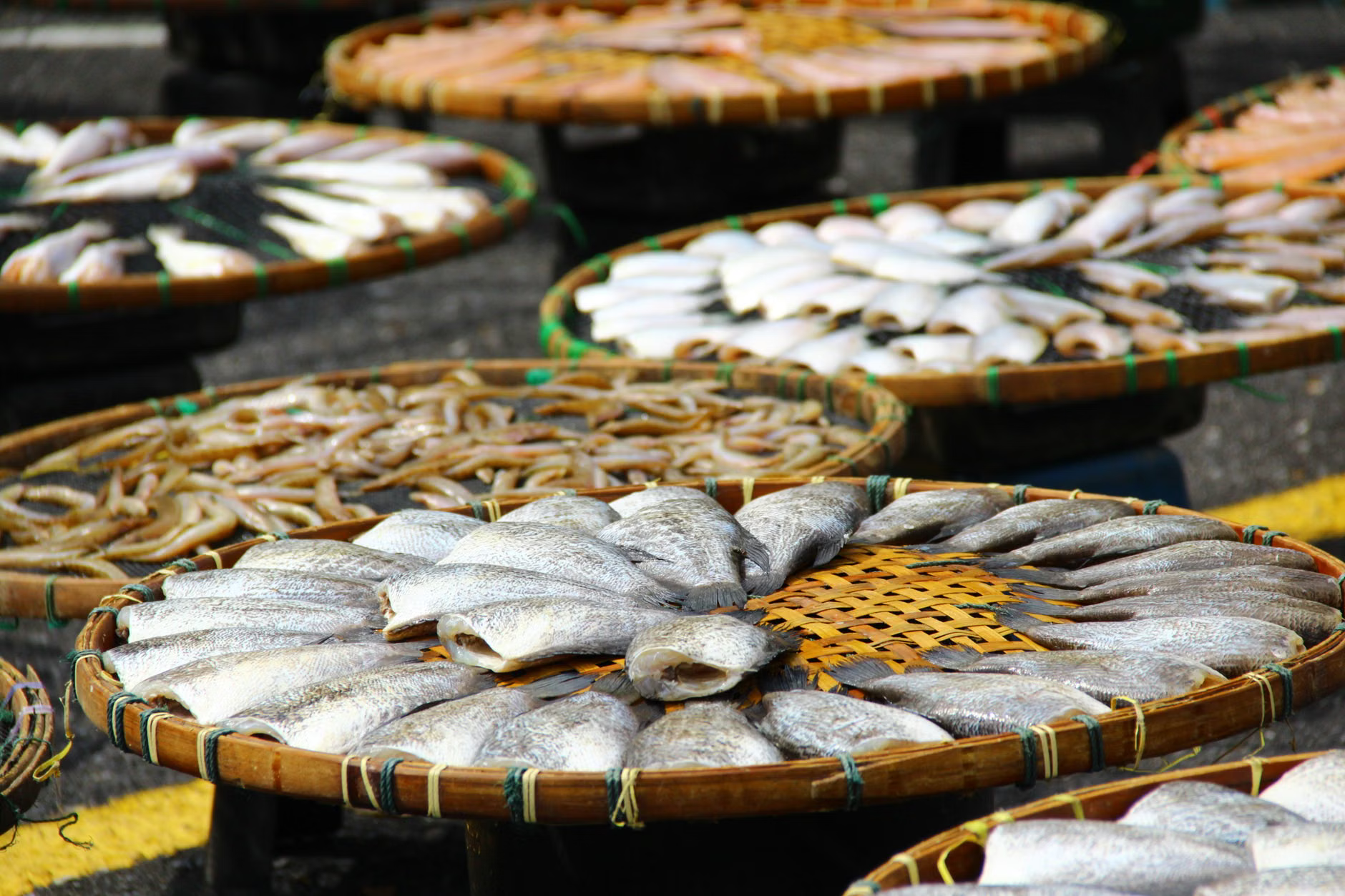
Not all fish counters are created equal, and in LA, we have some truly exceptional ones. My favorite rotation starts with Santa Monica Seafood, a family-owned institution that's been operating since 1939. Their retail counter is practically a museum of seafood — whole fish on ice, gleaming fillets, and a staff of fishmongers who actually care about answering your questions. Ask them what's best that morning and they'll steer you toward something honest and seasonal. On the west side, you'll also find Tokyo Central in Torrance and Mar Vista, which curates an excellent selection of sushi-grade fish — perfect if you're ever feeling ambitious about making your own crudo or sashimi at home.
For the truly dedicated home cook, I'd also suggest joining a community-supported fishery (CSF). The concept is the same as a CSA for vegetables, but for seafood: you pay upfront and receive weekly or bi-weekly deliveries of whatever the local boats are pulling in. Ooh Mee Fish Co. is one of the best in the region, run by fishermen who partner directly with small boats out of Southern California ports. You never know exactly what you're getting, which is honestly half the fun — it forces you to cook seasonally and creatively.
Whenever you're at a fish counter, inspect like a pro:
- Check the eyes — they should be clear, bright, and slightly bulging. Cloudy or sunken eyes are a red flag.
- Look at the gills — bright red or pink is good; brown or gray means the fish has been sitting around.
- Press the flesh — firm flesh that springs back when you poke it is fresh; soft flesh that stays dented is not.
- Smell it — real fresh fish smells like the ocean, not fishy. If it smells strong, walk away.
Mastering Searing, Poaching, and Grill Marks
Once you've got glorious fish in hand, the real skill begins. Chefs master a few core cooking techniques that translate perfectly to the home kitchen, and all three are easier than you think. Let me walk you through the ones I teach in my own kitchen.
Searing: The Golden Crust
The secret to a perfect sear is all in preparation. Dry the fish thoroughly with paper towels — moisture is the enemy of browning. Then heat your cast-iron skillet over medium-high heat until it's shimmering. Add a high-smoke-point oil like avocado oil (smoke point 500°F, one of the highest available; olive oil will burn at these temperatures), and lay the fish in presentation-side down. Let it cook untouched for 3–4 minutes until a crust forms that releases naturally from the pan. Flip once, then finish to temperature.
Poaching: Silky and Delicate
Poaching is the technique for when you want a texture like butter. Instead of water, build an aromatic broth: white wine, lemon slices, fresh thyme, a bay leaf, and a generous knob of butter. Bring it to a gentle simmer — tiny bubbles, not a rolling boil — then slide your fish in and cook for about 8 minutes per inch of thickness. This is the technique behind so many elegant French and modern LA plates.
Grilling: Smoky Summer Flavor
Grilled fish is a backyard staple, but it's also the easiest to mess up — fish has a stubborn habit of sticking to the grates. Use a fish basket (the hinged metal cage that keeps fillets intact) or oil the grates thoroughly before cooking. For a 1-inch fillet, cook 2–3 minutes per side over medium-high heat, and don't flip until it releases easily. If you're grilling octopus or prawns, the same rules apply, but you'll adjust time based on size.
Three Showstopper Recipes Inspired by LA Chefs
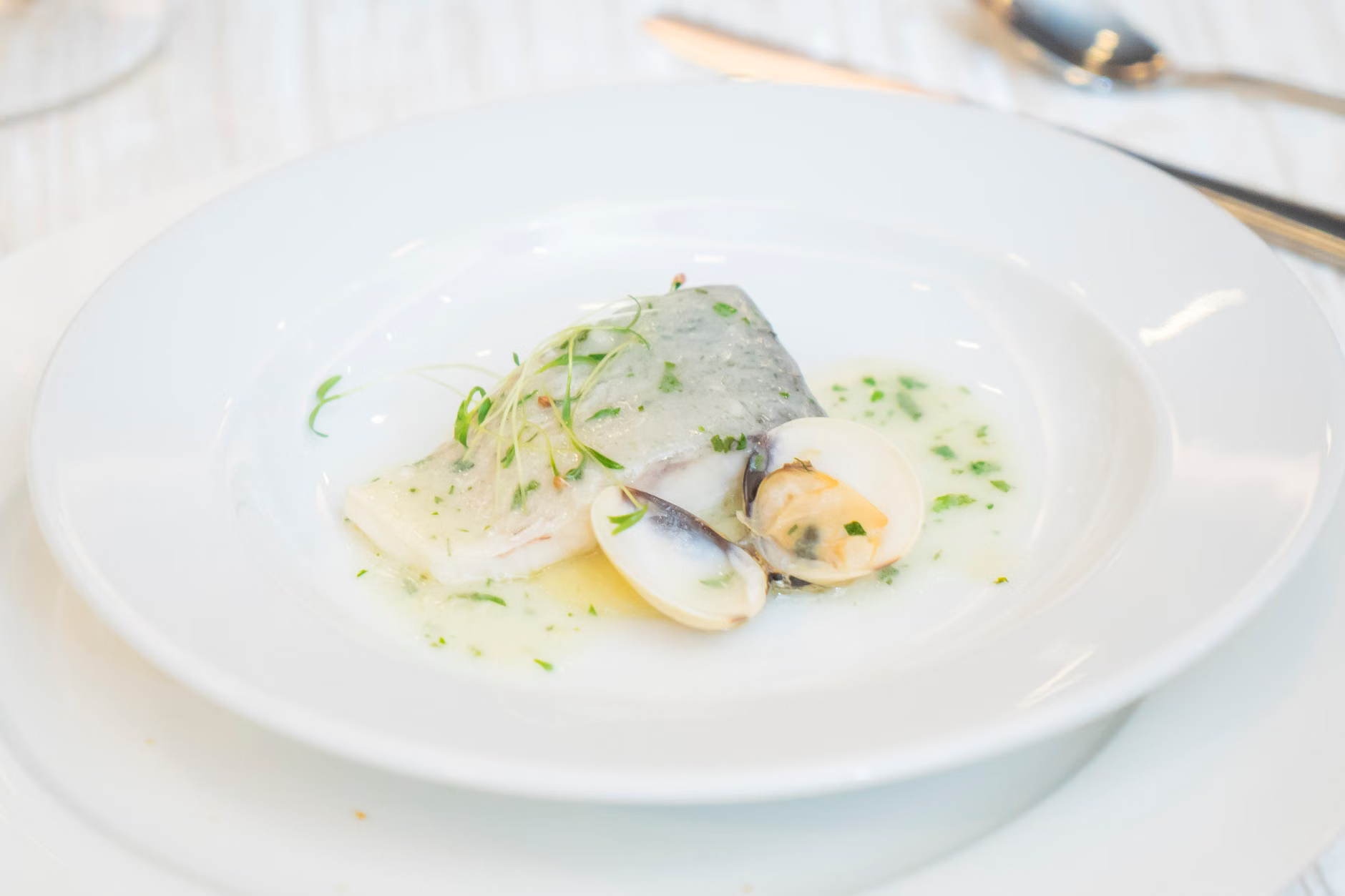
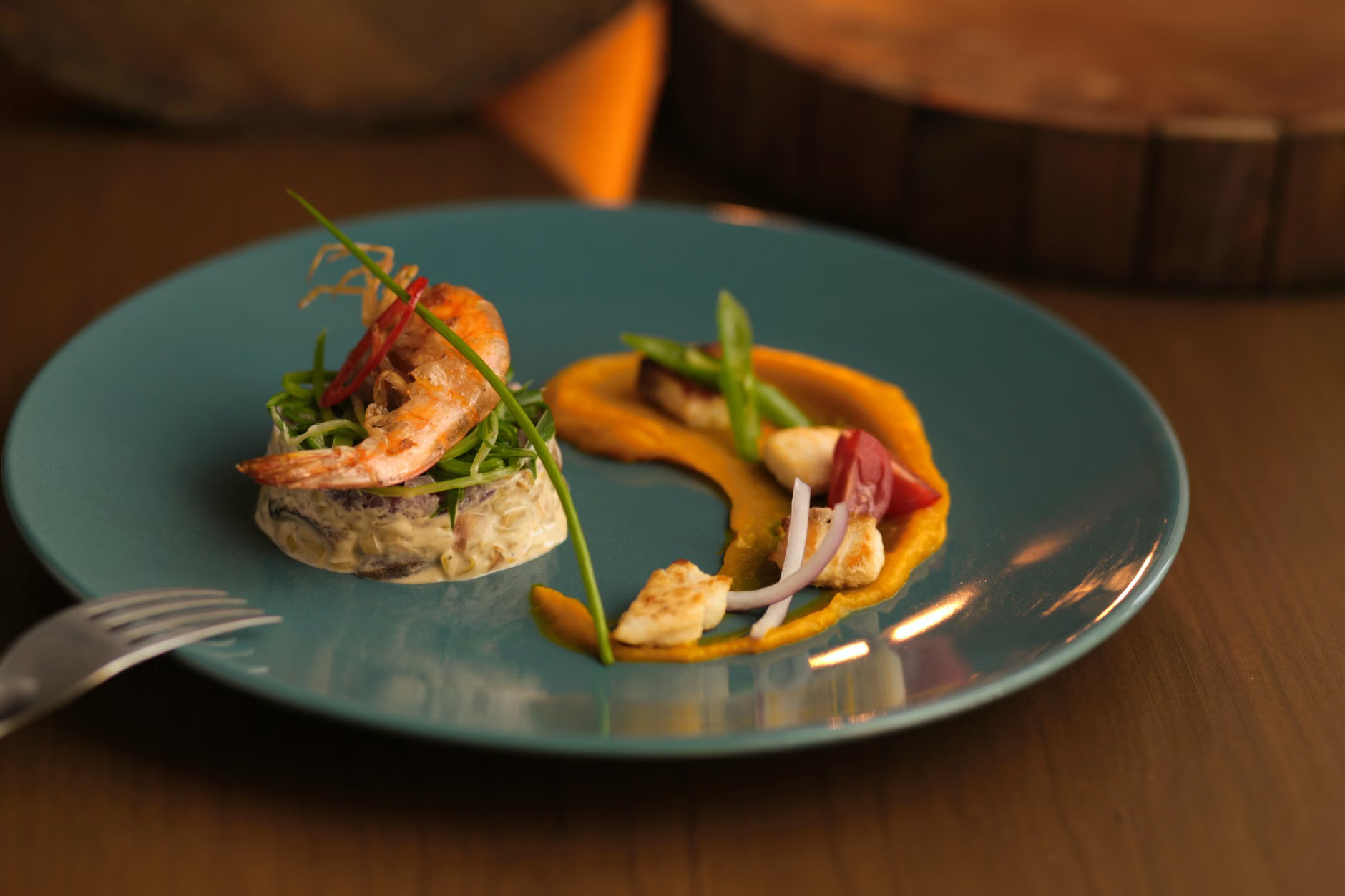
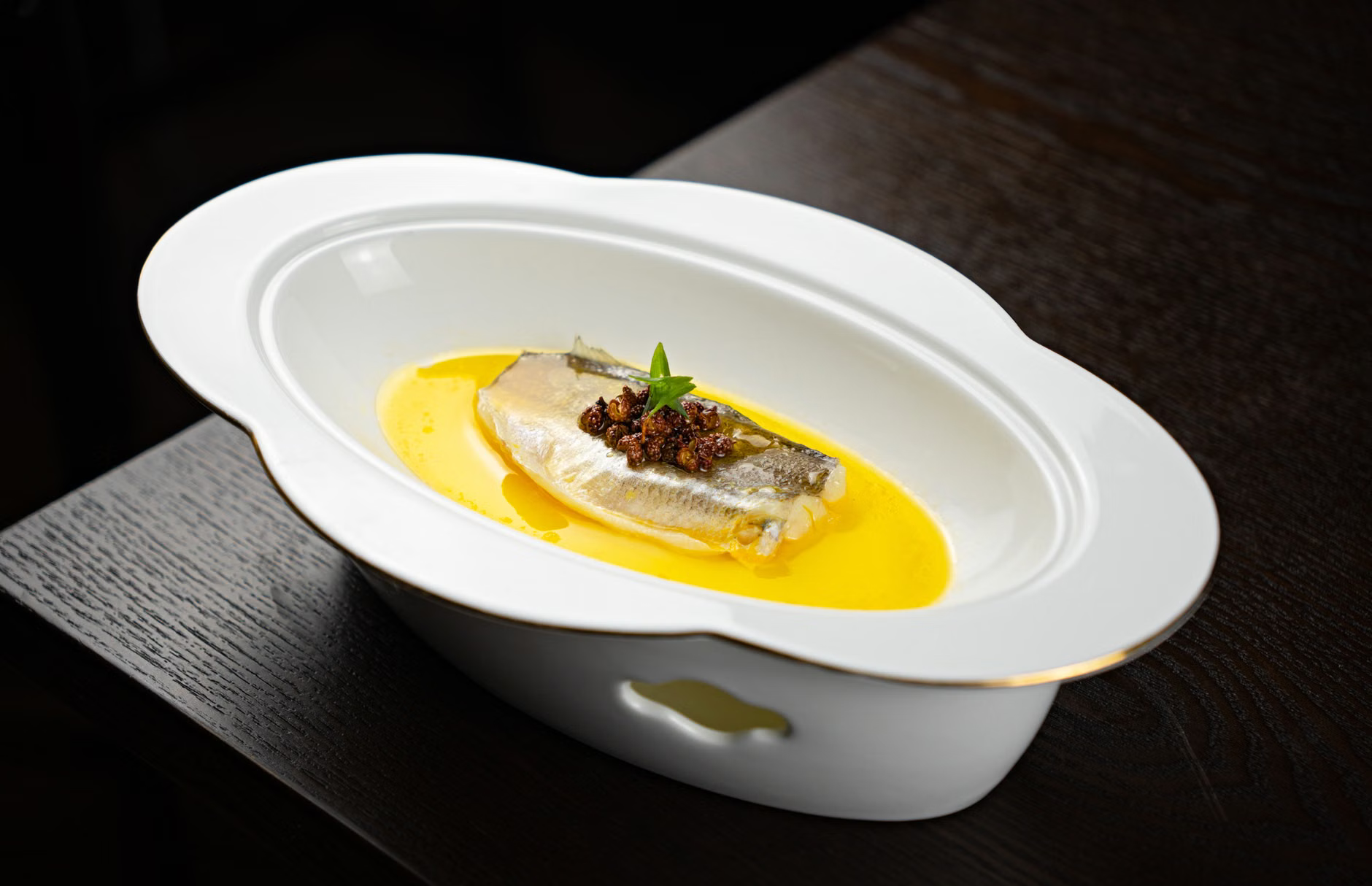
Now for the good stuff. These are three dishes I've recipe-tested from the flavors that shape our city's dining scene — each one is designed to be approachable at home with ingredients you can source locally.
Miso-Marinated Black Cod: An Urasawa Tribute
Hiroyuki Urasawa's Beverly Hills omakase is legendary, and his miso-marinated black cod has been imitated across the city — usually for astronomical prices. Here's how to bring it home. Whisk together white miso, sake, mirin, and a touch of sugar to form a marinade, then coat four black cod fillets generously and refrigerate overnight. The sugars will caramelize while the miso infuses deep umami flavor. When you're ready, wipe off excess marinade and either pan-sear in a hot skillet or broil until the surface blisters and browns. The fish should be flaky and almost sweet, with that caramelized edge I absolutely crave. Serve with steamed bok choy or rice and a sprinkle of sesame.
Baja-Style Grilled Octopus with Mezcal Salsa
LA's Mexican culinary influence is woven into everything we eat, and this dish is a love letter to Ensenada's coastal grills. The secret to tender octopus is low-and-slow braising first — simmer the octopus with a wine cork or two (a traditional trick that keeps the meat tender), garlic, and peppercorns for about an hour until fork-tender. Then grill it over high heat to get those beautiful char marks. The salsa is where it gets interesting: charred tomatoes, shallots, jalapeño, lime juice, cilantro, and a splash of mezcal for that smoky, agave-forward kick that reminds you you're on the Baja peninsula. Chop the octopus and toss with salsa, serve on warm tortillas or over beans.
Thai Basil-Poached Halibut with Coconut-Chili Sauce
Thai Town, along Hollywood Boulevard, is one of LA's most essential neighborhoods for food. This poach is my homage. In a wide pan, combine coconut milk, chicken stock, lemongrass, galangal, makrut lime leaves, and sliced Thai chilies. Bring to a low simmer, then add your halibut fillets and poach gently for 8–10 minutes. Finish with Thai basil, fish sauce, lime juice, and palm sugar. The sauce is creamy, spicy, bright, and deeply aromatic — everything you want after a meal at Jitlada. Ladle it over jasmine rice with extra basil and lime wedges.
Complement Your Seafood: LA Sides and Wine Selections
A great seafood dish deserves more than a lonely filet on a plate. In LA, we're blessed with some of the best produce in the country, and a quick trip to the Hollywood Farmers Market on Sunday mornings will set you up with the perfect accompaniments. I love building a seasonal spread around what's fresh that week.
- Heirloom tomato salad — sliced thick, tossed with torn basil, flaky sea salt, and a citrus vinaigrette made with orange juice, shallots, and a hint of honey. In summer this is peak LA.
- Grilled sourdough — pick up a loaf from Gjusta Bakery in Venice (their country bread is iconic) and char it on the grill, then rub it with garlic and a little olive oil.
- Simple sautéed greens — Swiss chard or broccolini with lemon zest and chili flakes to cut through the richness of whatever fish you're serving.
On the wine front, you don't need to overthink it — but you should think local. Santa Barbara County Chardonnay is the classic pairing for richer fish like the miso cod: it's full-bodied, with just enough oak to stand up to the caramelized glaze. For the halibut or grilled octopus, pour a dry rosé — the effervescent acidity cuts through coconut cream and smoky char equally well. If you're feeling fancy, a crisp Albariño from a Santa Barbara producer will also earn rave reviews.
Host a Seafood Dinner Party with LA Style
Now, the real reason I'm writing this article: I want you to host. Not just a weeknight dinner, but a proper LA-style seafood dinner party. The kind where friends linger at the table, the light is warm and golden, and everyone leaves thinking they just paid $100 a plate at a hot new restaurant. It's completely doable when you source like a pro and cook with confidence. So this Saturday, grab your fish spatula and head to Santa Monica Seafood. Pick up a beautiful piece of halibut or black cod, gather your friends, and make something unforgettable. Your kitchen is about to become the hottest reservation in town.